Species profile

Mackerel fishing in Ireland

Are the mackerel in yet? Wicklow piers and headlands. Catchable June to October, peak July to August. Feather rigs, metal lures and tide windows for fast summer sport.

Mackerel · Peak Jul to Aug · catchable Jun to Oct

Reading the coast feed.

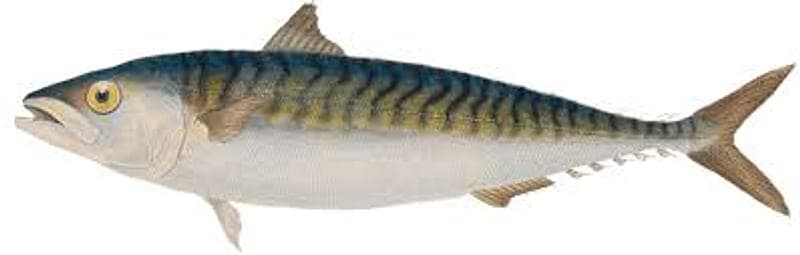
Mackerel

Quick answer

Mackerel shoal along Irish piers, harbours and headlands from June to October, peaking July to August. Feathers and small metals worked mid-water catch fast when a shoal is in range; on the east coast the evening flood is the classic window.

In season

June to OctoberIn season

Typical size

200 to 400 g from piers and headlands

Conservation

Release advised

Irish record

1.36 kg

Irish Specimen Fish Committee record list, checked 17 August 2026. A specimen-class fish is well below this, the record is the ceiling, not the target.

Season on the coast

Peak and catchable months on the Wicklow shore.

Peak Jul to Aug · catchable Jun to Oct

JFMAMJJASOND
  • Peak
  • Catchable
  • Off season
  • This month

Where they live

Open water around harbour mouths and headlands when baitfish shoals are pushed close in; often mid-water rather than tight to the surface.

What to use

Feather rigs · Sabiki rigs · Metal slices · Small soft plastics

How to fish them

Cast 20 to 30 g lures or feather rigs across the flow and retrieve at varying depths, counting down to find the level of the shoal and keeping pressure constant once hooked.

Rigs and methods that target them

Read back from the rig and technique catalogues, each one names this species itself

Optional detail

Kit, marks and more

Bait sourcing, starter gear, Wicklow and Dublin marks, related guides. Expand when you need the shopping list or mark directory.

Open kit and marks →

Suggested gear

Starter searches matched to tactics above

Amazon.ie affiliate links. We may earn a small commission at no extra cost to you. See the fishing calendar for month-by-month targets.

Affiliate disclosure: This page contains Amazon affiliate links. Irish Shore Fishing earns from qualifying purchases as an Amazon Associate, at no extra cost to you.

  • Pier spinning combo

    Rod and reel matched for feathers, sabiki and light metals.

    View on Amazon →
  • Mackerel feather rigs

    The standard multi-hook rig when a shoal is under the wall.

    View on Amazon →
  • T-bar disgorger

    Clears a multi-hook rig fast without handling every fish.

    View on Amazon →

Need a full shopping list? Rig and terminal buyer guide with comparison table, prices and Amazon picks.

Wicklow marks

Dublin Bay marks

Live ranking on Bay weather and Dublin Port tide. Howth and Dún Laoghaire pier access is field-verified; scored separately from Wicklow.

Howth East PierPierGood

Howth East Pier is the open-water side of the harbour: a public pier mark with deep wall edges, rougher pier ground, summer mackerel crowds and enough year-round variety to justify its own entry rather than folding everything into one generic Howth page. Published Dublin Bay shore notes consistently point to mackerel, pollack, coalfish, whiting, dogfish, codling, conger and grey mullet, with the east arm better suited to spinning and wall work than quiet flatfish ledgering. The setting is accessible and familiar, but it is still a working harbour edge with tourist pressure, seals, boat movement and seasonal crowding.

Balscadden BayRockGood

Balscadden Bay is the more rock-and-gully side of Howth, close enough to the village to be practical but less forgiving than the harbour piers. Published reports around Cat Rock and Split Rock point to pollack, coalfish, wrasse, mackerel, codling, conger and dogfish. Structure and variety are what make it worth the walk, and the rock ground rewards a careful approach on the way in and out.

Poolbeg South WallPierGood

Poolbeg South Wall is the industrial Dublin Bay classic: a long walk to the red lighthouse through harbour-edge landscape, with published shore patterns for summer mackerel, pollack, coalfish, mullet, whiting, conger and occasional bass. It deserves a thick access note because access, port traffic and wall structure matter as much as species. It is not a charter or hot-water-outlet page, so confirm industrial access rules on the day.

LoughshinnyPierGood

Loughshinny is a small north Dublin harbour, pier and slipway mark over mixed ground, best treated as a compact tidal session rather than a big all-day venue. Published patterns include summer mackerel on high water, plus coalfish and codling in autumn night conditions, with flounder possible over cleaner patches. The mark is accessible and familiar, but it is still a working coastal harbour with a tidal pier, slipway activity and Fingal rule uncertainty. The honest appeal is a manageable pier session when tide, season and local activity line up, not a guaranteed deep-water destination.

Skerries HarbourPierGood

Skerries is the north-county harbour anchor in this Dublin coast: an easy town wall with enough depth for summer mackerel and pollack, plus winter whiting, flounder, codling and dogfish when colour and darkness suit. This is not a secret or private mark. It is a compiled public harbour pattern, useful because access, shelter and species mix are predictable by Dublin standards.

Dún Laoghaire East PierPierGood

Dún Laoghaire East Pier is the classic beginner-friendly south Dublin pier: paved, public, DART-accessible and deep enough along the outer wall to make summer spinning and feathering realistic without specialist shore knowledge. Published harbour patterns support mackerel, pollack, garfish, coalfish, wrasse and grey mullet, with the seaward rocky side carrying the more interesting lure water. It is easy to reach, but not empty or wild. The pier is also one of Dublin’s busiest walking routes, so the mark has to be fished as shared public infrastructure rather than as a private platform.

Balbriggan HarbourPierGood

Balbriggan Harbour is a north Fingal pier and harbour mark with a straightforward public shape but an honest uncertainty around current species strength. Published and historical notes support mackerel, grey mullet, flounder, whiting and codling, with high water over sand the basic pattern for bait fishing. Older references speak well of mullet, but present confidence is lower because commercial harbour use, fleet activity, water clarity and local pressure can all alter practical results. This entry keeps the mark live as a published option while avoiding the false certainty of claiming the harbour fishes today exactly as older reports describe.

Howth West PierPierGood

Howth West Pier is the more harbour-facing Howth option, still very accessible but with a different feel from the open east arm. It suits beginner to intermediate pier fishing for mackerel, whiting, grey mullet and conger, while the sand between the piers gives a better public pattern for flounder and dab than the rougher east-side wall. Published information also notes an Eastern Regional Fisheries Board / IFI-style "angling only" zone at the pier head, which is useful context rather than permission to ignore current harbour signs. This is a commercial harbour mark first and a leisure angling mark second.

Killiney BeachBeachGood

Killiney Beach is the south edge of the Dublin coast: steep shingle and sand in Killiney Bay, railway behind, deep water close enough to matter and published patterns for bass, flounder, codling, coalfish, mackerel, dab and dogfish. It feels closer to a Wicklow shingle beach than Sandymount does, but it stays in the Dublin scoring region with Port tide timing.

Coliemore HarbourPierMixed

Coliemore Harbour is a small Dalkey shore mark with big surrounding context: harbour wall, rocky edges, Dalkey Sound, boat traffic and island water nearby. Published notes support codling, pollack, coalfish, conger, mackerel, whiting and dogfish from the shore, but this page deliberately excludes boat drifts, island landings and private foreshore shortcuts. It is a compact public harbour mark.

Dublin coast hub

Marks, tactics, bait, gear, and the daily plan for this species

Seasonal focus

June is the most consistent month for daylight mackerel sessions from Bray to Arklow. Marks, tide windows, gear and a responsible take for the local peak.

Mackerel in Wicklow: June peak tactics →

Irish Shore Fishing editorial

Written and checked on the Wicklow coast.

Mackerel on the Wicklow shore

Are the mackerel in yet? When they run in Ireland, the best piers and rock marks to catch them, and the feather rig that works. Wicklow coast conditions updated daily.

Read the full guide · 7 min read

This article contains affiliate links. If you purchase through these links, we may earn a small commission at no extra cost to you.

01Why

Why mackerel are the gateway species

Mackerel shoals arrive off the Wicklow coast in late May and early June, and numbers build through the summer. They remain the species that gets more Irish anglers hooked on sea fishing than any other: they bite on almost anything, fight hard for their size, and a summer pier session with fish on every cast is pure fishing joy. For children and beginners, it is often a formative experience that lasts a lifetime.

But mackerel are also a serious target in their own right. Specimen fish over 700g are a realistic target from Wicklow piers and rocky headlands in summer. Mackerel on light spinning gear fight with genuine ferocity. And fresh mackerel, caught and eaten the same day, is outstanding eating, far superior to the frozen mackerel most people have tasted.

02Season

When do mackerel arrive in Ireland?

Mackerel typically appear off the Wicklow coast from late May to early June, with numbers building through June and peaking in July and August. The arrival is triggered by water temperature, mackerel are a warm water species and only move inshore in numbers when the sea temperature rises above around 12°C. By September and October numbers start to decline as the shoals move offshore and south for winter.

The best summer mackerel fishing on the Wicklow coast is consistently from late June through to late August. Dawn sessions, the first hour of daylight, are often exceptional as mackerel push baitfish to the surface in calm conditions. Evening sessions at dusk are similarly productive. Midday in bright summer conditions is often slow as mackerel go deep to avoid the light.

Peak Jul to Aug · catchable Jun to Oct

JFMAMJJASOND
  • Peak
  • Catchable
  • Off season
  • This month

03Marks

Best Wicklow marks for mackerel

Greystones Harbour & Pier, Wicklow shore fishing mark

Greystones Harbour & Pier

The premier mackerel mark on the north Wicklow coast. The outer pier wall and harbour entrance produce mackerel on every cast in peak summer. Feathers cast and retrieved at medium pace catch mackerel from June through September. After dark, larger individual fish move in to feed on the surface, lures and single large feathers outperform multi-hook rigs in low light.

Wicklow Town Pier, Wicklow shore fishing mark

Wicklow Town Pier

Consistent summer mackerel mark. Fish the end of the pier and the channel edges. Evening sessions are most productive. Mackerel shoals are often visible from the pier wall as dark patches and surface disturbance, cast into the middle of the activity.

Wicklow Head Long Rock, Wicklow shore fishing mark

Wicklow Head Long Rock

Rocky headland marks around Wicklow Head produce specimen mackerel in summer when the headland funnels the shoals close inshore. Careful footing on open rock. The deeper water close to the rocks holds larger individual fish than open pier marks; a spinning rod with a single large sandeel lure produces better quality fish than feathers here.

When feather fishing is slow in flat calm water, many pier anglers switch to a sliding float for garfish on the same walls. The same harbour marks that hold mackerel often produce both species through a summer evening.

04Tackle

Tackle and methods

Feathers, the classic method

A 7 or 9 hook feather rig cast from a pier and retrieved steadily catches mackerel reliably from June to September. Any rod will work, a beachcaster, a spinning rod, even a basic boat rod. Load with 15-20lb monofilament, attach the feathers, add a 2-3oz lead at the bottom and cast to medium range. Retrieve steadily and you will catch.

Spinning with lures

For better quality fish and more sporting fishing, a 9-10ft spinning rod with 15lb braid and a single large lure is more effective than feathers from rocky marks and headlands. Savage Gear sandeels, Dexter Wedges and similar slim silver lures retrieved fast near the surface in calm conditions produce the best mackerel. Work the lure through visible surface activity.

Jigging from piers

In deeper pier marks, a chrome pirk or diamond jig of 20-40g worked with a sharp up-down jigging motion through the water column finds mackerel at any depth. Effective when surface-feeding fish are not present but the sonar or fish finder shows marks at depth. Dawn sessions often require jigging deep before the fish come up.

No rod yet? The beginner setup lists a rod and reel that come spooled and ready, plus the rigs and bits that go with them. Already have a rod? The feathers and lures we use are further down.

05As bait

Using mackerel as bait

Fresh mackerel is one of the most versatile and effective sea fishing baits available. A fillet of fresh mackerel cut into strips and hooked through the skin catches bass, dogfish, smoothhound, tope and conger. A whole small mackerel flappered on a large hook is the standard tope bait on Wicklow beaches in October and November. Mackerel head and guts packed around a hook is outstanding for conger from pier walls.

The key is freshness, mackerel deteriorates faster than almost any other bait and loses its effectiveness quickly once frozen and defrosted. Fish caught on the day and used fresh that session dramatically outperforms frozen mackerel for every species that takes it as bait.

06Eating

Eating mackerel

Mackerel is exceptional eating when genuinely fresh, rich, oily, full of flavour, and with none of the strong fishy taste that puts people off frozen mackerel. Gut and fillet within an hour of catching, cook the same day. The simplest preparation, scored and griddled with sea salt for four minutes per side, is hard to beat. Mackerel also cold-smokes brilliantly if you have the equipment.

There is no bag limit for mackerel in Irish waters but take only what you will eat and use. Releasing the remainder of large catches is good practice, mackerel stocks, while currently healthy, depend on sustainable fishing behaviour. A self-imposed limit of around six fish per session keeps the take honest on a pier where they are coming on every cast.

Handling matters more with mackerel than almost any other shore species, because they spoil faster than any of them. Bleed at the gills the moment the fish is off the hook, get them on ice within minutes rather than leaving them in a bag in the sun, and eat within 24 to 48 hours. Most people who think they dislike mackerel have only eaten badly handled ones.

Shore sea angling needs no state rod licence in Ireland; salmon and sea trout are a different matter. The sea fishing licence guide covers what applies here. For the peak weeks and named Wicklow marks in more detail, see the Wicklow mackerel peak guide.

Plan your next session

For Wicklow-specific June timing and marks, read Mackerel in Wicklow: June peak tactics.

Target mackerel on the daily plan

Ranked marks, species windows, and gear for the Wicklow shore.

Your marks

Your marks, one glance away.

Pin a mark and it sits here on every page with today’s verdict and its best window. Kept on this device.

Find one to pin: 20 Wicklow marks · 17 Dublin Bay marks

Sign in to keep your marks on every device and get free alerts.