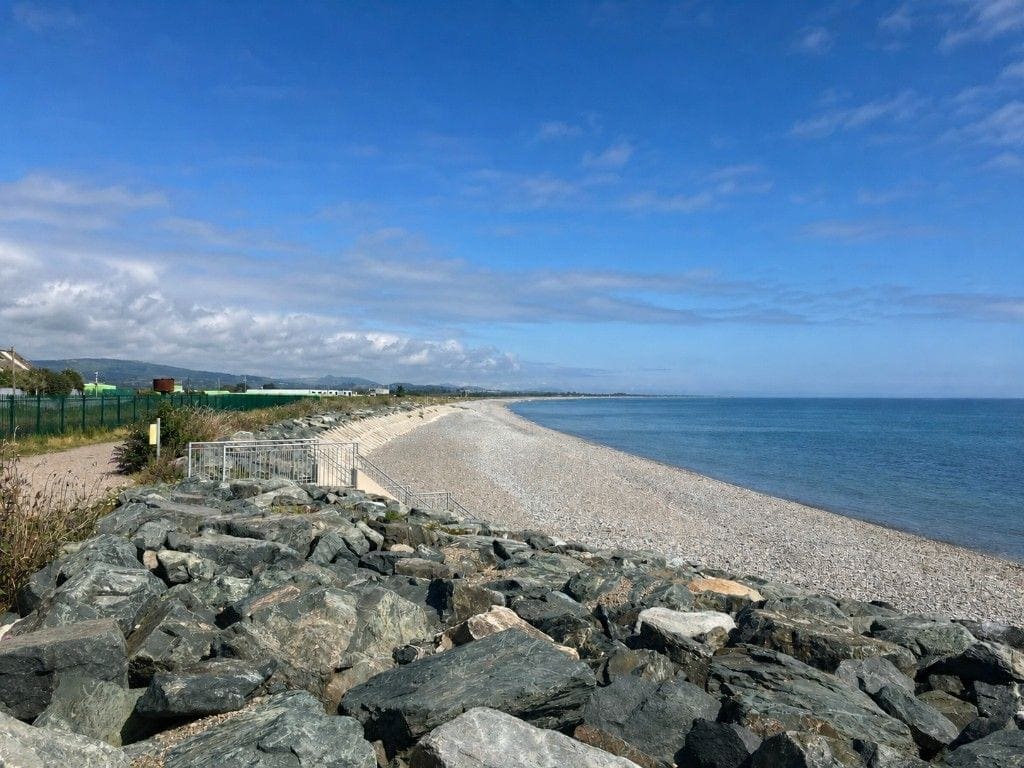
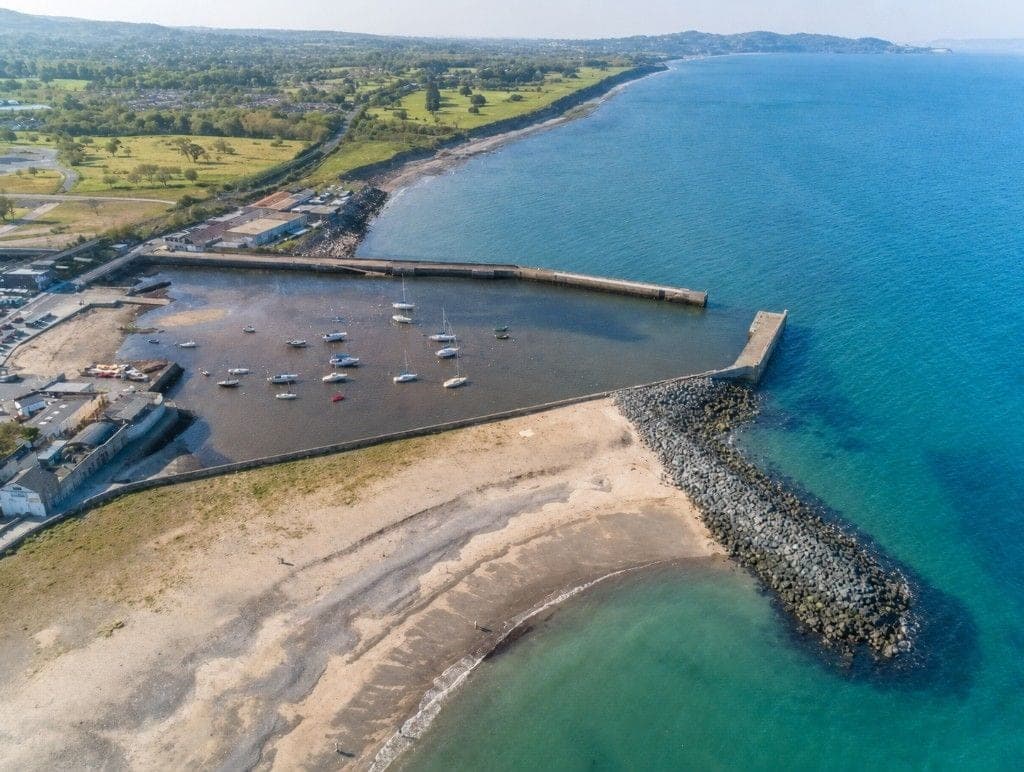
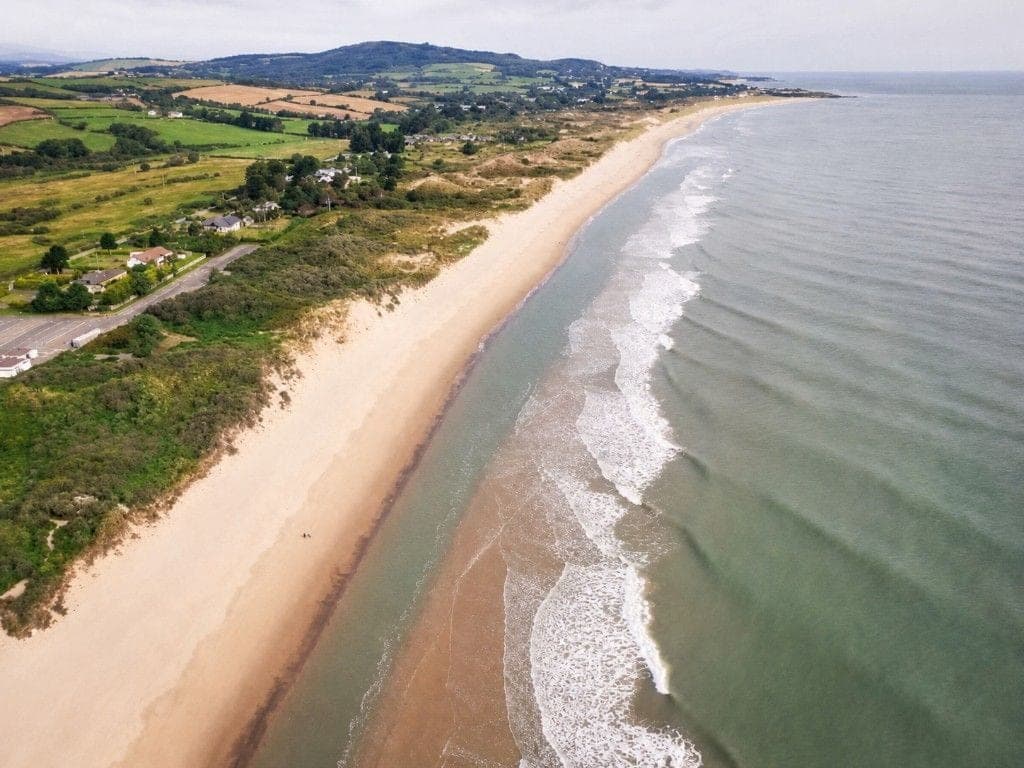
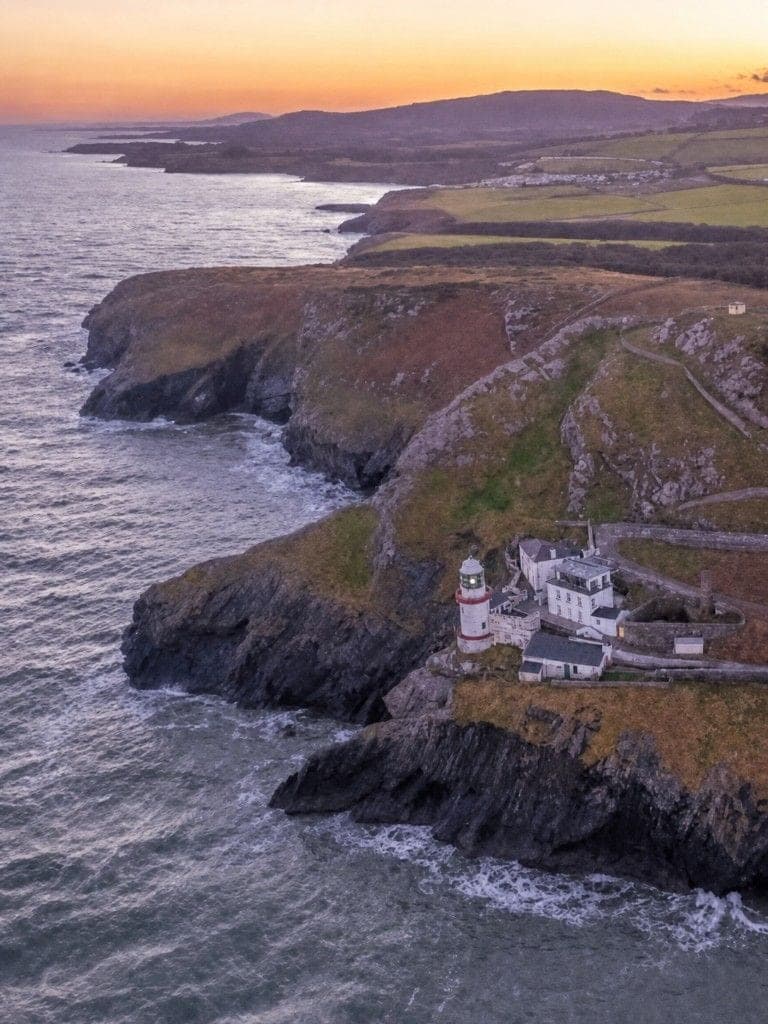
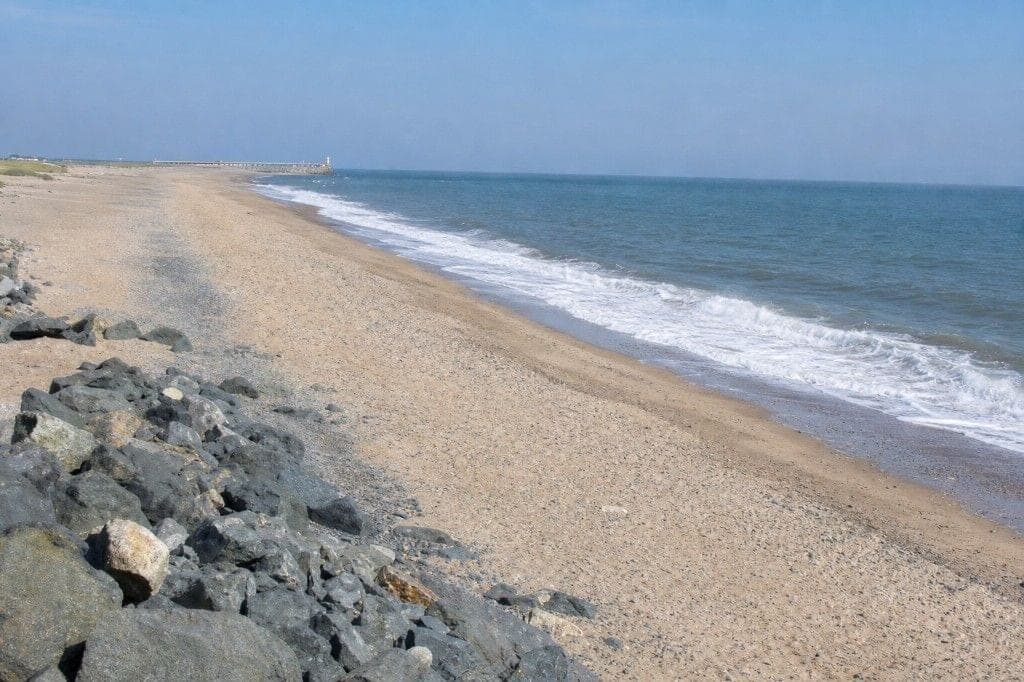
The tide. Multi-source consensus for the Greystones-to-Wicklow shingle belt is that these venues fish best on a falling tide (Eastern Regional Fisheries Board, Planet Sea Fishing). Flounder concentrate at the Broad Lough freshwater interface; bass along the surf table at dawn/dusk.
Methods. Running ledger; Float-fished bread or flake (mullet, specialist fishery); Surface lures (bass at outlet); Single-handed fly (sea trout).
Baits. Ragworm; Peeler crab; Bread/flake (mullet); Sandeels; Worm cocktail tipped with mackerel (summer).
Local knowledge. ERFB Site 28 Broadlough is a flounder-first Murrough shore: flatfish stack along the Broad Lough freshwater edge through winter, with bass on the steep-to surf table in season. Sea trout and occasional mullet appear but this is not the published specimen-mullet channel: that is Kilcoole Breaches (Site 23) under the rail bridge, 12 km north. The Greystones-to-Wicklow shingle belt fishes best on a falling tide per regional sources. The steep-to profile means long casts are not needed; lighter setups out-fish beachcasters here. SAC/SPA wetland status means quiet behaviour matters and bird sensitivities apply.
From the mark’s guide, not checked on site.