


Species profile
Dab fishing in Ireland
Dab fishing on Wicklow’s clean sand beaches, simple rigs, short casts and the best cold-season windows for these obliging flatfish.

Quick answer
Dab fishing on Wicklow’s clean sand beaches, simple rigs, short casts and the best cold-season windows for these obliging flatfish.
In season
Typical size
Conservation
Irish record
0.74 kg
Irish Specimen Fish Committee record list, checked 17 August 2026. A specimen-class fish is well below this, the record is the ceiling, not the target.
Season on the coast
Peak and catchable months on the Wicklow shore.
Peak Feb to Mar · catchable Jan to Dec
- Peak
- Catchable
- Off season
- This month
Where they live
Clean sandy ground close inshore, often mixed with flounder on Wicklow surf and shingle beaches.
What to use
Ragworm · Lugworm · Harbour ragworm · Sandeel strip
How to fish them
Fish short with two-hook flappers or simple ledgers, occasionally twitching baits along the sand to draw in inquisitive fish during the flood and around high water.
Rigs and methods that target them
Read back from the rig and technique catalogues, each one names this species itself
Optional detail
Kit, marks and more
Bait sourcing, starter gear, Wicklow and Dublin marks, related guides. Expand when you need the shopping list or mark directory.
Open kit and marks →
Get your bait
The bait that works here comes off the shore, not out of a box.
Ragworm is dug, not bought, if you want it at its best. Estuary mud and sheltered harbour ground hold both king rag and harbour rag.
Dig the last two hours of a spring ebb, work one small patch rather than a wide area, and backfill what you turn.
How to dig, keep and hook ragworm →Lugworm is dug off open sand. The cast beds sit low on the shore and only uncover on the bigger tides. Big spring low water exposes the beds; dig below the last line of casts and give a worked patch a few weeks.
Where to dig lugworm in Wicklow →Sandeel is raked or netted out of clean sand, and it fishes best the day you get it. Work clean low-water sand on a spring tide from late spring through summer, when the eels are in close.
How to get and rig fresh sandeel →
Kit that keeps collected bait fishable
Amazon.ie affiliate links. We may earn a small commission at no extra cost to you. Bait itself is not sold here: this is handling kit only.
- View on Amazon →
Bait elastic thread
Binds soft collected bait to the hook so it survives the cast.
- View on Amazon →
Vented bait box
Keeps crab and worm alive and separated on the way home and back out.
- View on Amazon →
Insulated cool bag
Collected bait dies in a warm car. Cold and dark buys you a day or two.
- View on Amazon →
Chest waders
Low-water crab and worm ground means wet feet and cold gullies.
- View on Amazon →
Bait scissors
Cuts crab, worm and fish bait cleanly without mangling it.
Suggested gear
Starter searches matched to tactics above
Amazon.ie affiliate links. We may earn a small commission at no extra cost to you. See the fishing calendar for month-by-month targets.
Affiliate disclosure: This page contains Amazon affiliate links. Irish Shore Fishing earns from qualifying purchases as an Amazon Associate, at no extra cost to you.
- View on Amazon →
12ft beachcaster rod
Covers the gutters and troughs flatfish sit in on a flooding tide.
- View on Amazon →
Two-hook flapper rigs
The standard flatfish rig for beaches and estuary mouths.
- View on Amazon →
Aberdeen hooks, 1/0 fine wire
Long shank and fine wire for the small mouths flatfish have.
- View on Amazon →
Bait elastic thread
Holds a soft bait together through the cast and the drag back.
Need a full shopping list? Bait fishing gear buyer guide with comparison table, prices and Amazon picks.
Wicklow marks
Avoca river-mouth shore complex (Ferrybank + South Beach). Bass, hounds, flatfish; historical specimen sole.
Dargle-mouth working harbour. LRF-style mixed-species pier; codling, dab, flounder and plaice with summer bass and mullet.
Premier Wicklow bass beach. Specimen bass in storm conditions; smoothhound and rays in summer.
Last Wicklow venue. Two-zone beach, deeper water north for flatfish/hounds; rock platforms south for bass on lures.
Remote, sandy, southerly-facing beach. Bass April to November (peak Sep to Nov), smoothhound on evening crab baits May to October.
Specimen smoothhound run on spring nights, the single insight justifying this mark. May ray/plaice; nursery beach the rest of the year.
Sheltered marina pier, ideal for families and beginners. Good wrasse, pollack, mackerel and an established autumn squid fishery.
Accessible competition-grade town beach with reliable winter codling and close-in plaice in calm weather.
Dublin Bay marks
Live ranking on Bay weather and Dublin Port tide. Howth and Dún Laoghaire pier access is field-verified; scored separately from Wicklow.
Portmarnock Velvet Strand is a long north Dublin sand beach with room to move, shallow surf character and a published species pattern that includes flounder, bass, smoothhound, dab, dogfish, plaice, codling and whiting. It is not a deep-water pier mark and it should not be sold as a guaranteed bass beach. The honest appeal is mobile surf fishing on clean sand, especially after easterly wind puts colour and life into the beach. Night summer sessions toward the northern rocks are a recurring public pattern, but local access rules and proposed Fingal beach bye-law changes need checking before any session.
Sandymount Strand is the broad south-bay sand sheet: shallow, open, often wind-exposed and better understood as a flood-tide flats mark than a deep-water beach. Published Dublin reports focus on bass, flounder, dab, dogfish and codling, with bait beds and old place names such as Cockle Lake giving context. The value is honest pattern reading, not invented hot pegs.
Howth West Pier is the more harbour-facing Howth option, still very accessible but with a different feel from the open east arm. It suits beginner to intermediate pier fishing for mackerel, whiting, grey mullet and conger, while the sand between the piers gives a better public pattern for flounder and dab than the rougher east-side wall. Published information also notes an Eastern Regional Fisheries Board / IFI-style "angling only" zone at the pier head, which is useful context rather than permission to ignore current harbour signs. This is a commercial harbour mark first and a leisure angling mark second.
Killiney Beach is the south edge of the Dublin coast: steep shingle and sand in Killiney Bay, railway behind, deep water close enough to matter and published patterns for bass, flounder, codling, coalfish, mackerel, dab and dogfish. It feels closer to a Wicklow shingle beach than Sandymount does, but it stays in the Dublin scoring region with Port tide timing.
Red Rock at Sutton is a channel-edge and mixed-ground mark rather than a simple beach. The public pattern is bass and flatfish moving over Sutton channel and the Martello-side ground, with dab, dogfish, codling and whiting possible when conditions suit. It is useful planning water for Dublin Bay planning, researched from published notes rather than first-hand Wicklow experience.
Dollymount Strand is the broad Bull Island beach option: firm sand, big sky, room to move and a published pattern for bass, flounder, dab, dogfish, coalfish and winter codling. Evening autumn tides are the classic published pattern, but the mark is also shaped by Bull Island reserve rules, birdlife, walkers, wind and the need to read channels rather than just cast far.
The North Bull Wall is a long exposed stone walk from Dollymount and Clontarf into Dublin Bay, giving shore anglers access to wall edges, flats, channel influence and lighthouse-end water. Published notes cover flounder, dab, dogfish, whiting, codling, pollack, mullet and occasional bass. It is a serious public wall session, not a gentle beginner pier in rough weather.
Dún Laoghaire West Pier is the quieter partner to the East Pier, still beginner-friendly and public but usually better framed as a bait and mixed-bottom option than as the first-choice summer spinning wall. The point gives access to mixed and sandy ground that supports dab, whiting, codling, pollack, bass, conger and grey mullet in published Dublin Bay shore notes. It can be simple in daylight and more serious after dark. Autumn and winter night ledgering is the honest published pattern, especially when colour, tide and reduced foot traffic make bait fishing more practical.
Related guides and tools
Marks, tactics, bait, gear, and the daily plan for this species
Read next
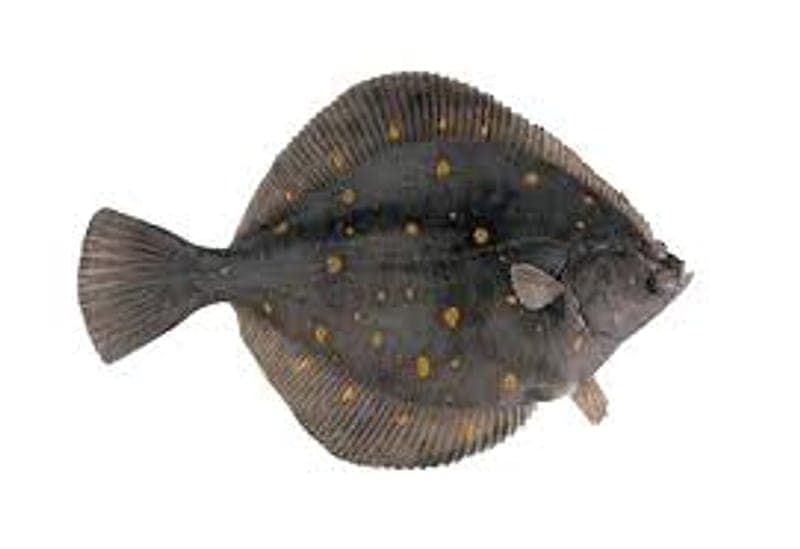
Winter Flounder Ireland: Beach Marks and Rigs
Winter flounder on Irish beaches, October to March. Estuary mouths, short casts, ragworm ledger rigs and the flood tides that put flatfish at your feet.
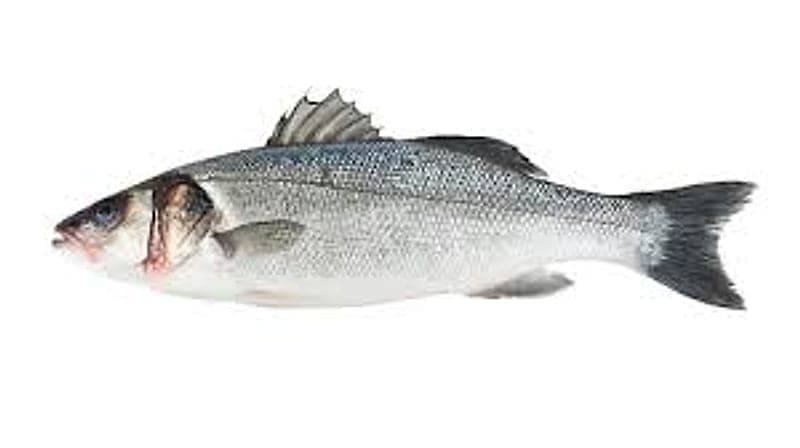
Bass Fishing Wicklow: Best Marks, Baits and Tides
Where to catch bass on the Wicklow coast: the beaches and rock marks that produce, the baits and lures that work, and the tides to fish them on.
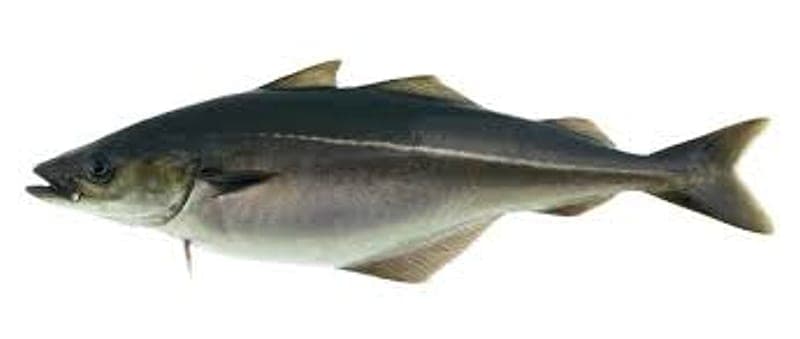
Coalfish vs Pollack Ireland: How to ID and Catch Both
Coalfish or pollack? Quick ID for Irish shore anglers, then the Wicklow pier and rock marks, lures and baits that catch both from late May through summer.
Irish Shore Fishing editorial
Written and checked on the Wicklow coast.
Target dab on the daily plan
Ranked marks, species windows, and gear for the Wicklow shore.