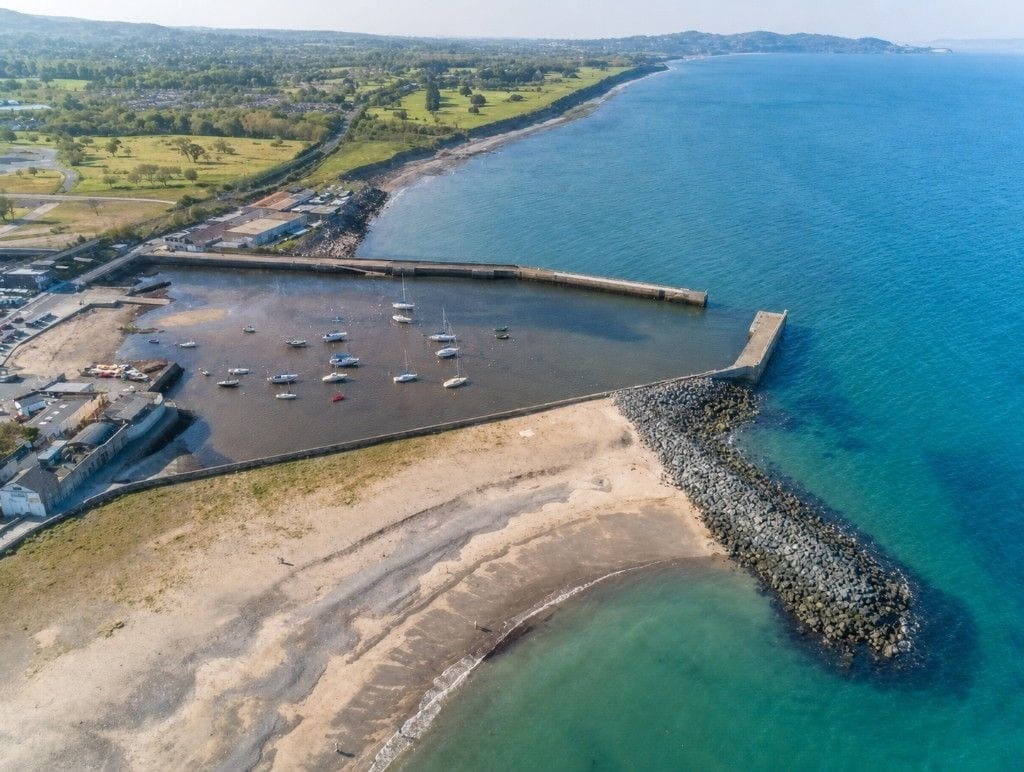
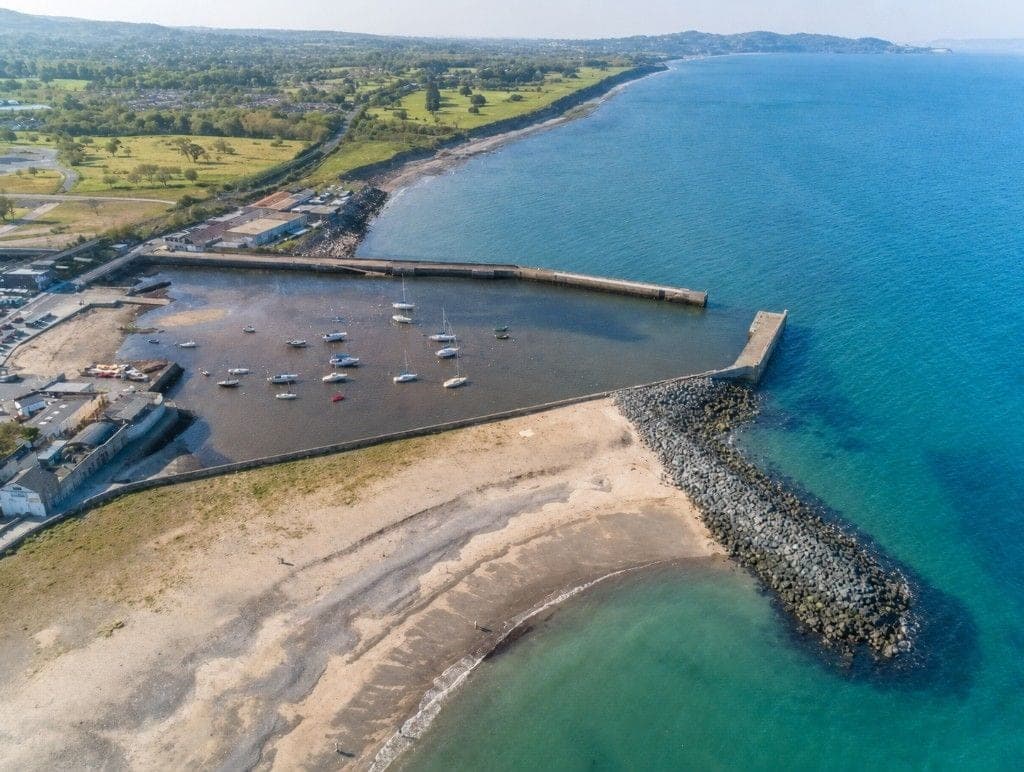
The tide. First two hours of the fill is the most-cited productive window. HW for mackerel spinning. Night sessions on the outer wall for codling and dabs.
Methods. Two-hook flapper with size 6 hooks (LRF-style); Light spinning rod; Mackerel feathers at HW; Standard ledger for night codling.
Baits. Ragworm; Lugworm; Mackerel strip; Sandeel.
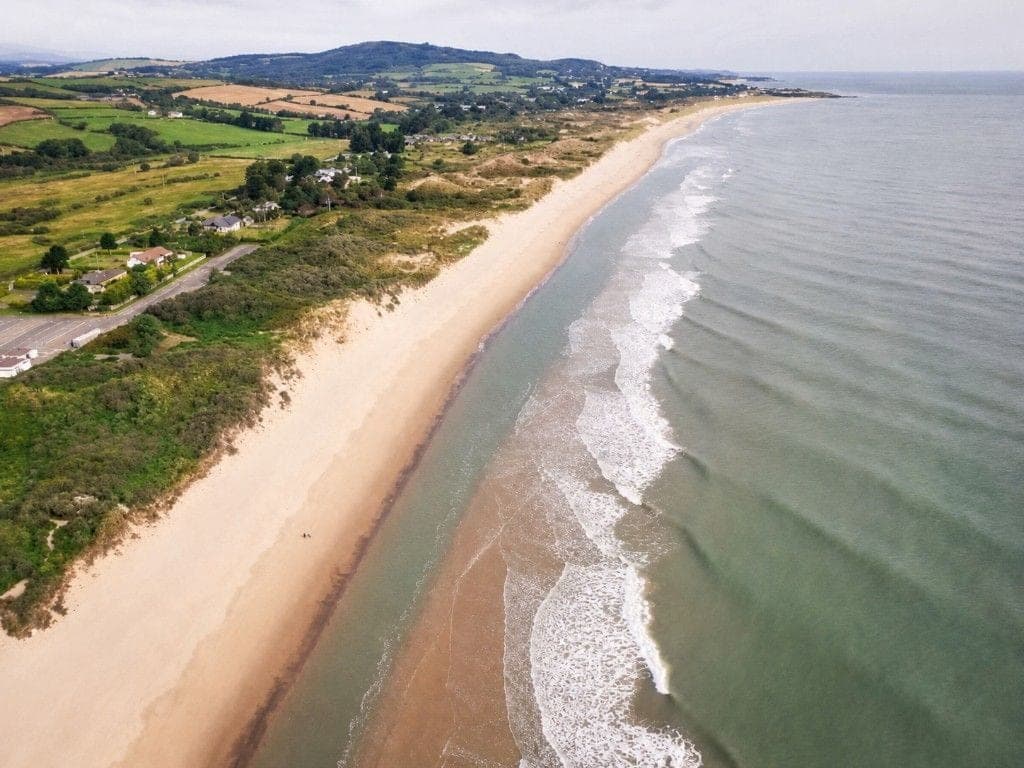
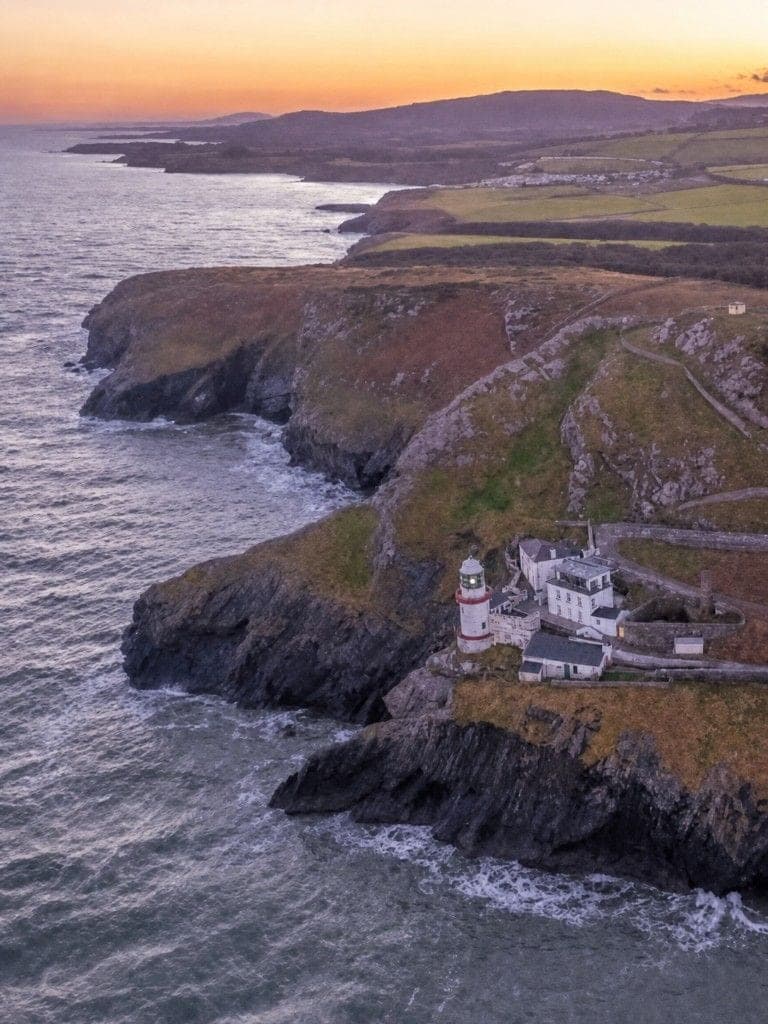
Local knowledge. Bray Harbour fishes like a UK LRF (Light Rock Fishing) venue, small hooks (size 6), light leads, rag baits are repeatedly the productive setup in SAI session reports. Bites can be in seconds and baits stripped fast, go expecting numbers of small species, not bag-fillers. Corkwing wrasse, shanny, small pollack, codling, whiting all on the same session is a typical SAI report from here. Strong species-count venue if chasing variety on a species hunt. Three location adjuncts often missed: (1) the Loughlinstown River enters the sea at the southern end of Bray beach proper, wrasse, rockling and occasional specimen autumn bass on weed-covered rock; (2) when the beach is mobbed in summer, Wicklow Head Long Rock is the open alternative for float wrasse/pollack and lure work (Bray Head Rocks stays access-closed while the cliff walk is shut); (3) deep water offshore of Bray holds tope, spurdog, ray, bull huss and smoothhound on boat work, and is only relevant for distance casts off the harbour mouth in calm conditions. The inner harbour holds conger eels and flounder and shoals of mullet are regular visitors, under-targeted mullet opportunity.
From the mark’s guide, not checked on site.