


Species profile
Coalfish fishing in Ireland
Coalfish on Irish piers and rock marks: tell them from pollack, catchable September to May. Feathers and metals for aggressive shoal fish.

Quick answer
Coalfish on Irish piers and rock marks: tell them from pollack, catchable September to May. Feathers and metals for aggressive shoal fish.
In season
Typical size
Conservation
Irish record
7.26 kg
Irish Specimen Fish Committee record list, checked 17 August 2026. A specimen-class fish is well below this, the record is the ceiling, not the target.
Season on the coast
Peak and catchable months on the Wicklow shore.
Peak Oct to Mar · catchable Sep to May
- Peak
- Catchable
- Off season
- This month
Where they live
Harbour walls, pier mouths and rough ground where baitfish shoals run, especially in colder months when pollack fishing fades.
What to use
Feathers · Sandeel · Mackerel strip · Soft plastics · Metal jigs
How to fish them
Fish small metals, feathers or natural baits in the flow around harbour mouths and deep pier edges, letting lures swing through the current in autumn and winter.
Rigs and methods that target them
Read back from the rig and technique catalogues, each one names this species itself
Optional detail
Kit, marks and more
Bait sourcing, starter gear, Wicklow and Dublin marks, related guides. Expand when you need the shopping list or mark directory.
Open kit and marks →
Get your bait
The bait that works here comes off the shore, not out of a box.
Sandeel is raked or netted out of clean sand, and it fishes best the day you get it.
Work clean low-water sand on a spring tide from late spring through summer, when the eels are in close.
How to get and rig fresh sandeel →Kit that keeps collected bait fishable
Amazon.ie affiliate links. We may earn a small commission at no extra cost to you. Bait itself is not sold here: this is handling kit only.
- View on Amazon →
Bait elastic thread
Binds soft collected bait to the hook so it survives the cast.
- View on Amazon →
Vented bait box
Keeps crab and worm alive and separated on the way home and back out.
- View on Amazon →
Insulated cool bag
Collected bait dies in a warm car. Cold and dark buys you a day or two.
- View on Amazon →
Chest waders
Low-water crab and worm ground means wet feet and cold gullies.
- View on Amazon →
Bait scissors
Cuts crab, worm and fish bait cleanly without mangling it.
Suggested gear
Starter searches matched to tactics above
Amazon.ie affiliate links. We may earn a small commission at no extra cost to you. See the fishing calendar for month-by-month targets.
Affiliate disclosure: This page contains Amazon affiliate links. Irish Shore Fishing earns from qualifying purchases as an Amazon Associate, at no extra cost to you.
- View on Amazon →
Spinning rod, 20 to 80g
Enough backbone to work metals and shads from rock and pier.
- View on Amazon →
Metal wedge lures
Casts a long way into wind and sinks fast to find the fish.
- View on Amazon →
Soft plastic sandeels
Sink-and-draw over kelp and along the edge of a rip.
- View on Amazon →
Braided mainline
Keeps contact through the retrieve and sets hooks at range.
Need a full shopping list? Pier lure and feather buyer guide with comparison table, prices and Amazon picks.
Wicklow marks
Avoca river-mouth shore complex (Ferrybank + South Beach). Bass, hounds, flatfish; historical specimen sole.
Dargle-mouth working harbour. LRF-style mixed-species pier; codling, dab, flounder and plaice with summer bass and mullet.
Serious rock mark below Bray Head. Quality pollack and wrasse for experienced anglers only, never alone.
Specimen smoothhound run on spring nights, the single insight justifying this mark. May ray/plaice; nursery beach the rest of the year.
Sheltered marina pier, ideal for families and beginners. Good wrasse, pollack, mackerel and an established autumn squid fishery.
Accessible competition-grade town beach with reliable winter codling and close-in plaice in calm weather.
Mixed beach/rock cove south of Wicklow. Autumn night fishing for bass and pollack.
Flat shingle beach, great for beginners. Reliable flatfish year-round; codling and coalfish through the colder months.
Dublin Bay marks
Live ranking on Bay weather and Dublin Port tide. Howth and Dún Laoghaire pier access is field-verified; scored separately from Wicklow.
Howth East Pier is the open-water side of the harbour: a public pier mark with deep wall edges, rougher pier ground, summer mackerel crowds and enough year-round variety to justify its own entry rather than folding everything into one generic Howth page. Published Dublin Bay shore notes consistently point to mackerel, pollack, coalfish, whiting, dogfish, codling, conger and grey mullet, with the east arm better suited to spinning and wall work than quiet flatfish ledgering. The setting is accessible and familiar, but it is still a working harbour edge with tourist pressure, seals, boat movement and seasonal crowding.
Balscadden Bay is the more rock-and-gully side of Howth, close enough to the village to be practical but less forgiving than the harbour piers. Published reports around Cat Rock and Split Rock point to pollack, coalfish, wrasse, mackerel, codling, conger and dogfish. Structure and variety are what make it worth the walk, and the rock ground rewards a careful approach on the way in and out.
Poolbeg South Wall is the industrial Dublin Bay classic: a long walk to the red lighthouse through harbour-edge landscape, with published shore patterns for summer mackerel, pollack, coalfish, mullet, whiting, conger and occasional bass. It deserves a thick access note because access, port traffic and wall structure matter as much as species. It is not a charter or hot-water-outlet page, so confirm industrial access rules on the day.
Loughshinny is a small north Dublin harbour, pier and slipway mark over mixed ground, best treated as a compact tidal session rather than a big all-day venue. Published patterns include summer mackerel on high water, plus coalfish and codling in autumn night conditions, with flounder possible over cleaner patches. The mark is accessible and familiar, but it is still a working coastal harbour with a tidal pier, slipway activity and Fingal rule uncertainty. The honest appeal is a manageable pier session when tide, season and local activity line up, not a guaranteed deep-water destination.
Dún Laoghaire East Pier is the classic beginner-friendly south Dublin pier: paved, public, DART-accessible and deep enough along the outer wall to make summer spinning and feathering realistic without specialist shore knowledge. Published harbour patterns support mackerel, pollack, garfish, coalfish, wrasse and grey mullet, with the seaward rocky side carrying the more interesting lure water. It is easy to reach, but not empty or wild. The pier is also one of Dublin’s busiest walking routes, so the mark has to be fished as shared public infrastructure rather than as a private platform.
Killiney Beach is the south edge of the Dublin coast: steep shingle and sand in Killiney Bay, railway behind, deep water close enough to matter and published patterns for bass, flounder, codling, coalfish, mackerel, dab and dogfish. It feels closer to a Wicklow shingle beach than Sandymount does, but it stays in the Dublin scoring region with Port tide timing.
Dollymount Strand is the broad Bull Island beach option: firm sand, big sky, room to move and a published pattern for bass, flounder, dab, dogfish, coalfish and winter codling. Evening autumn tides are the classic published pattern, but the mark is also shaped by Bull Island reserve rules, birdlife, walkers, wind and the need to read channels rather than just cast far.
Coliemore Harbour is a small Dalkey shore mark with big surrounding context: harbour wall, rocky edges, Dalkey Sound, boat traffic and island water nearby. Published notes support codling, pollack, coalfish, conger, mackerel, whiting and dogfish from the shore, but this page deliberately excludes boat drifts, island landings and private foreshore shortcuts. It is a compact public harbour mark.
Related guides and tools
Marks, tactics, bait, gear, and the daily plan for this species
Read next
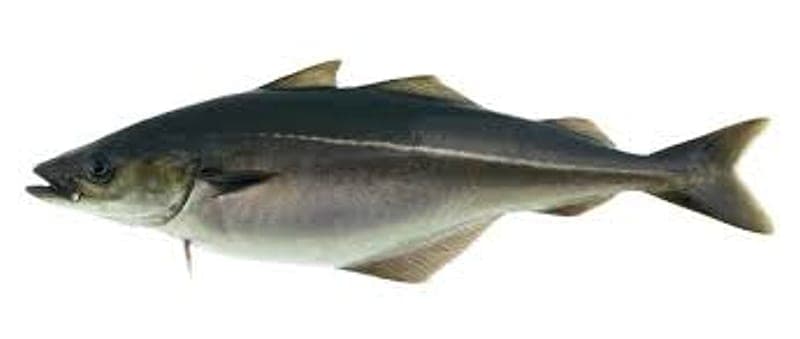
Coalfish vs Pollack Ireland: How to ID and Catch Both
Coalfish or pollack? Quick ID for Irish shore anglers, then the Wicklow pier and rock marks, lures and baits that catch both from late May through summer.
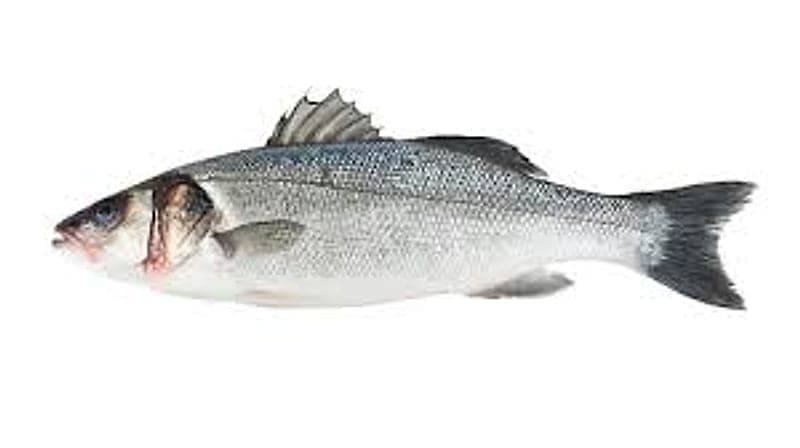
Bass Fishing Wicklow: Best Marks, Baits and Tides
Where to catch bass on the Wicklow coast: the beaches and rock marks that produce, the baits and lures that work, and the tides to fish them on.
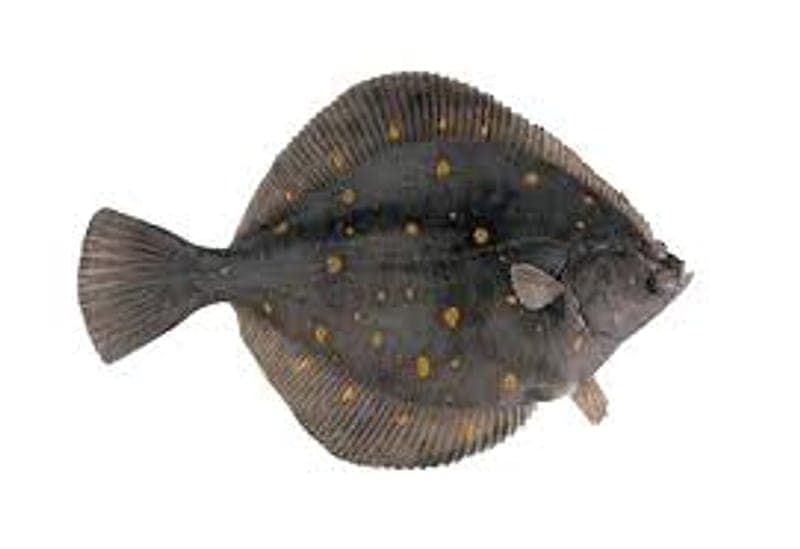
Winter Flounder Ireland: Beach Marks and Rigs
Winter flounder on Irish beaches, October to March. Estuary mouths, short casts, ragworm ledger rigs and the flood tides that put flatfish at your feet.
Irish Shore Fishing editorial
Written and checked on the Wicklow coast.
Target coalfish on the daily plan
Ranked marks, species windows, and gear for the Wicklow shore.