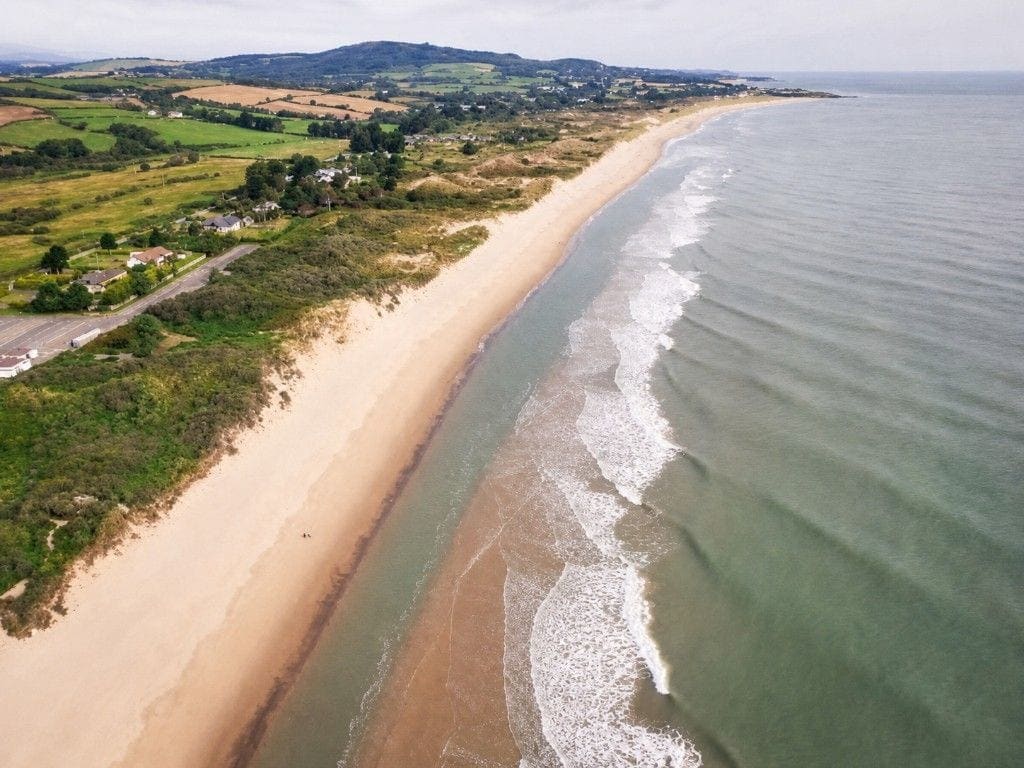
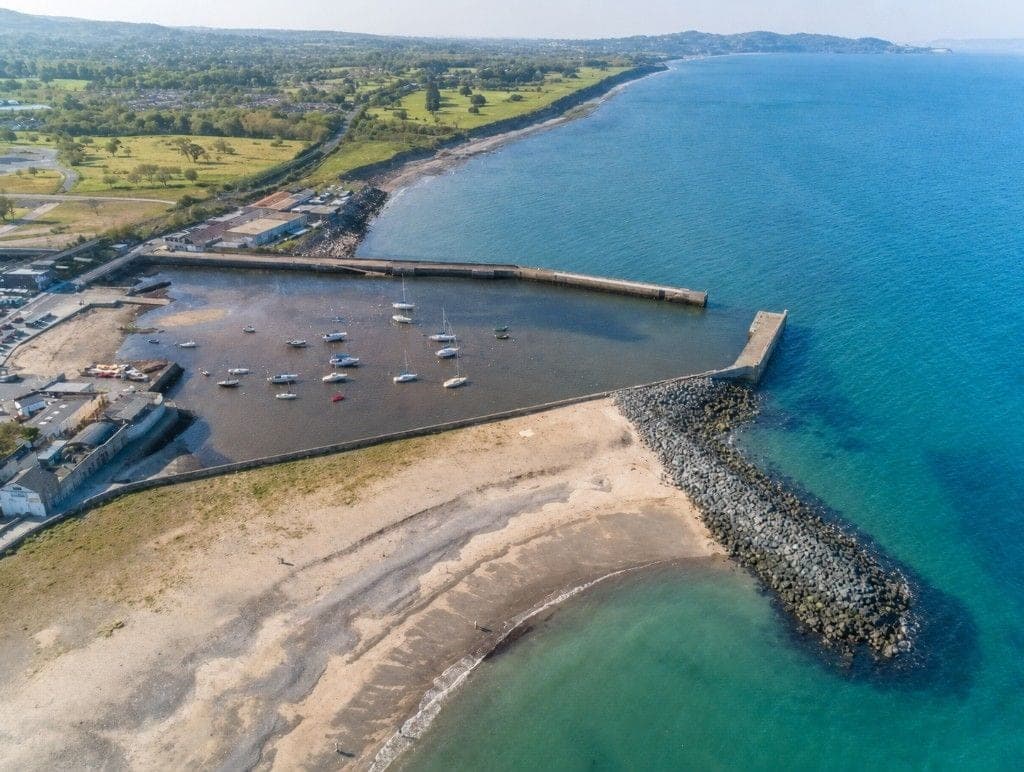
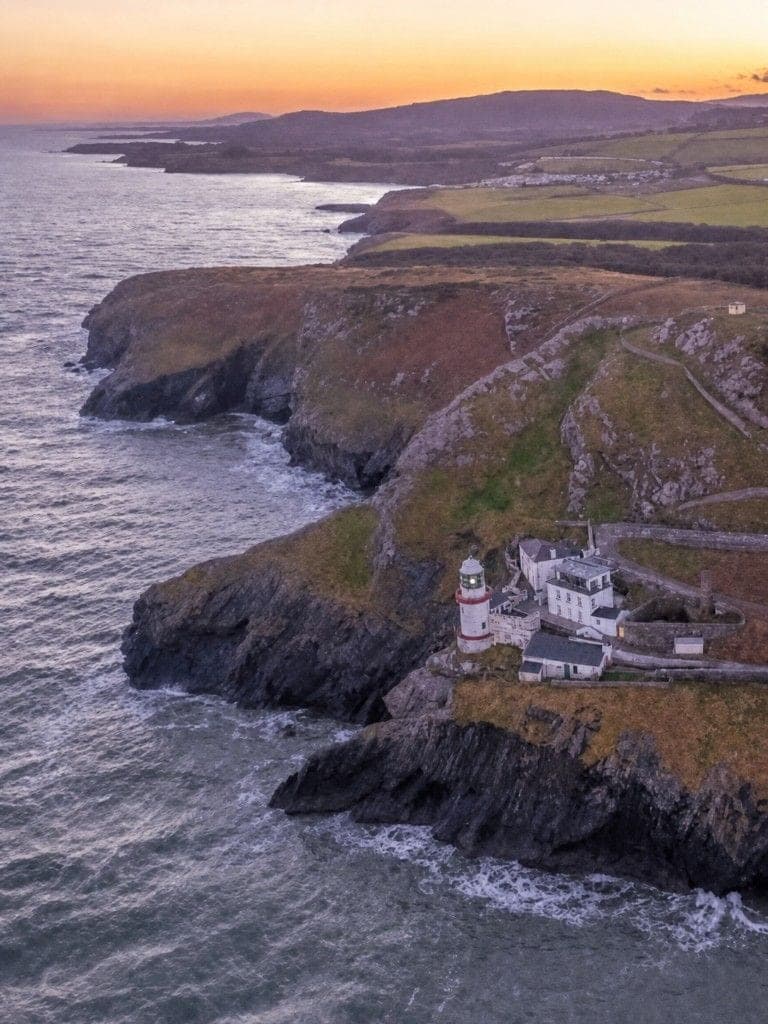
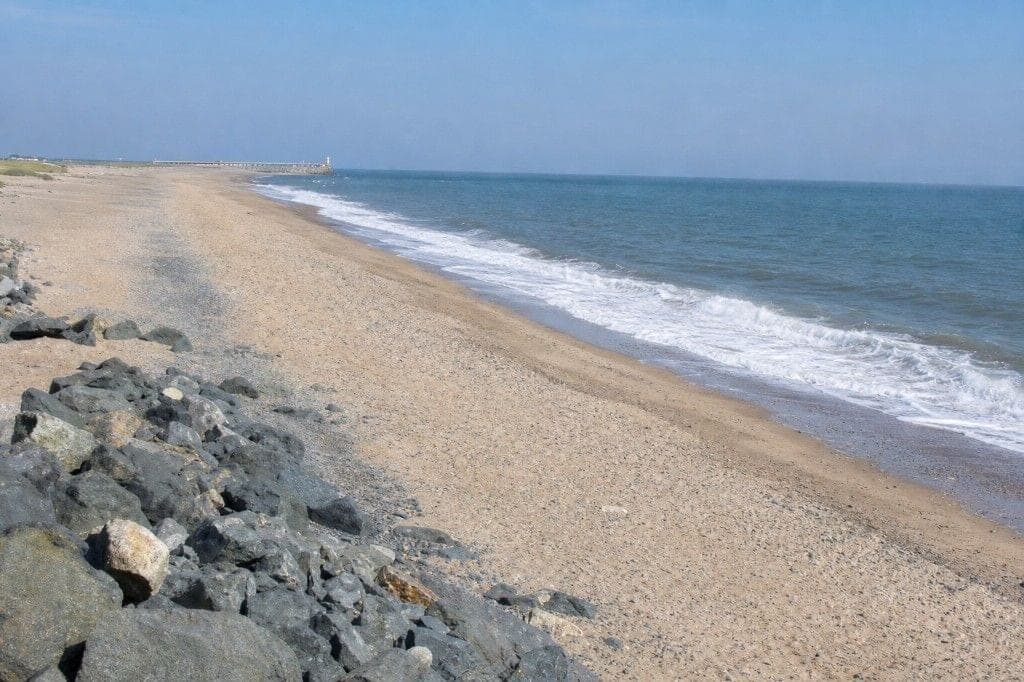
The tide. Falling tide is the documented productive window for the broader shingle belt this beach belongs to. The hour either side of high water remains the bite-cluster window for close-in flatfish. Strong undercurrents, grip leads (4 to 5oz breakaway) are essential at all states.
Methods. Running ledger; Two-hook flapper; Worm cocktail with spoon attractor (plaice); Lure fishing (bass).
Baits. Ragworm; Lugworm (winter); Peeler crab (summer); Sandeel; Mussel (cold months).
Local knowledge. Two named local hotspots that don't show on any map, opposite the outflow pipe at the Hungry Acre, and at the Ballygannon stream where the council placed boulders to slow erosion. Both work on the same principle: freshwater stir + structural break = flatfish concentration. The clear-and-calm-day rule is INVERTED from elsewhere on the coast, Sea Angler reports plaice moving as close as 30 yards from shore in warm settled conditions. Anglers who give up on Greystones in flat weather miss this window. Worm cocktail with a small spoon attractor is the established local plaice tactic. Crabs are the dominant nuisance, bait elastic, bigger baits, and floating beads are the local response. Shore-caught tope in October to November is now reported at this beach but remains uncommon enough to plan for as a bonus rather than a target. This is documented as one of the most famous Irish match-fishing stretches; the tactical playbook reflects competition-grade discipline (small hooks, fine wire, terminal tackle precision).
From the mark’s guide, not checked on site.