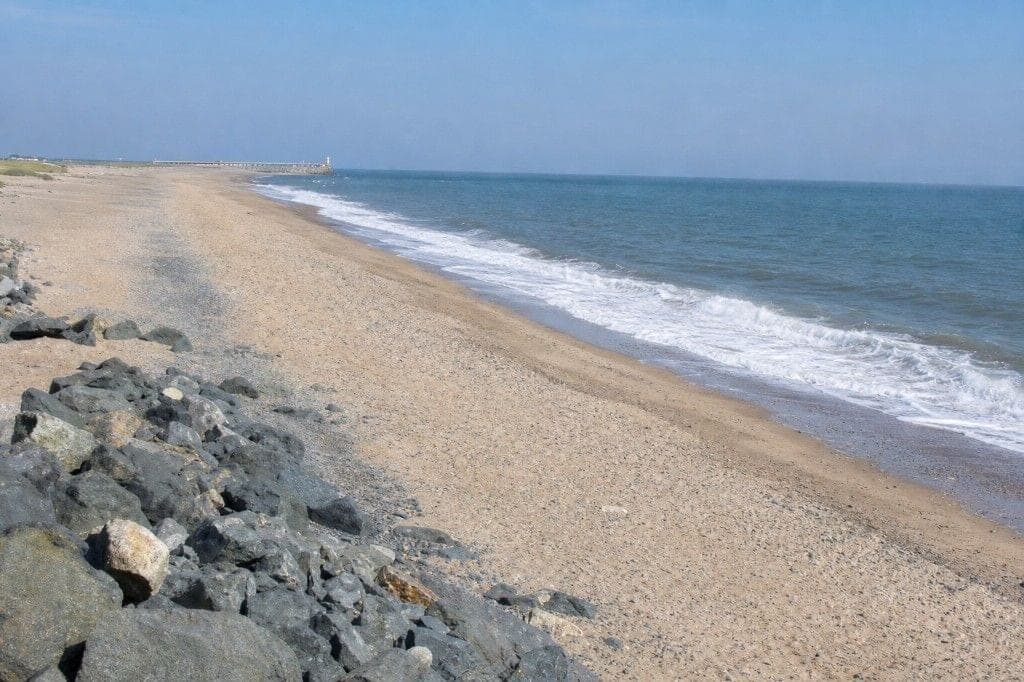
The tide. Multi-source consensus for the Greystones-to-Wicklow shingle belt is that these venues fish best on a falling tide, this is the documented local pattern (Eastern Regional Fisheries Board, Planet Sea Fishing). Long casts (~100m) needed in summer; short casts adequate after a storm. Two hours either side of high water remains a viable window for flatfish in settled conditions.
Methods. Two-hook flapper; Pulley rig; Running ledger; Worm cocktail with spoon attractor (plaice).
Baits. Lugworm (winter); Ragworm; Peeler crab; Mussel (cold months); Crab + rag tipped with mackerel (summer).
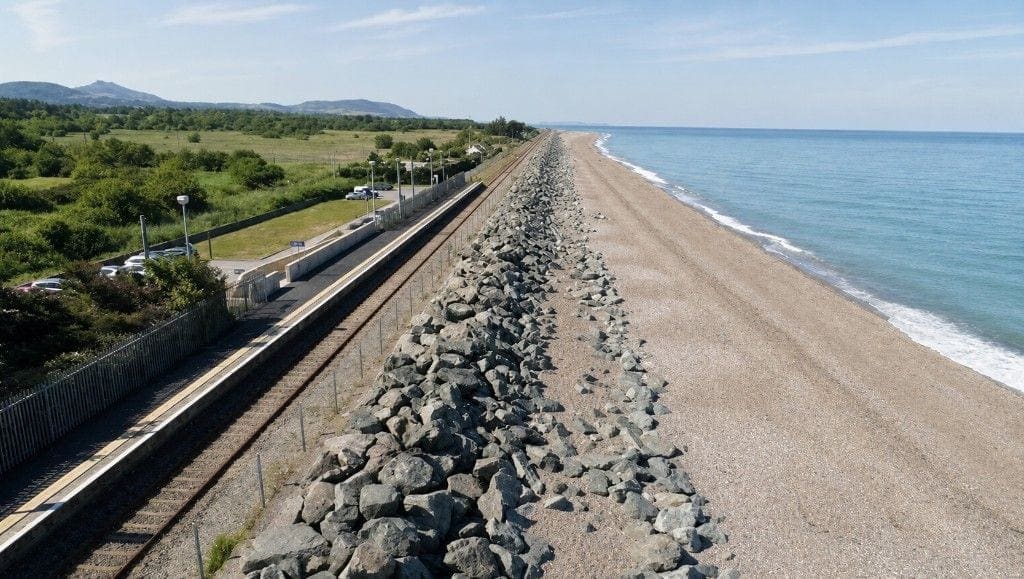
Local knowledge. Kilcoole sits inside the 11-mile shingle belt that hosted the 1996 World Surf Casting Championship and the 1997 European Shore Angling Championships, match anglers know this ground intimately. Two non-obvious patterns from local sources contradict common beginner advice: (1) the falling tide is the documented productive window for the whole shingle belt, not the flooding tide; (2) calm warm conditions bring plaice as close as 30 yards from shore, anglers who default to long casts in flat seas miss them entirely. Codling is a regular catch here per the Eastern Regional Fisheries Board, not an occasional one. The Kilcoole stream outflow at the northern end is the singular structural concentration point on an otherwise uniform beach. Mussel beds offshore have been historically dredged, which has visibly reduced quality vs. older guides, but the species mix is still reliable for a beginner-friendly winter session.
From the mark’s guide, not checked on site.