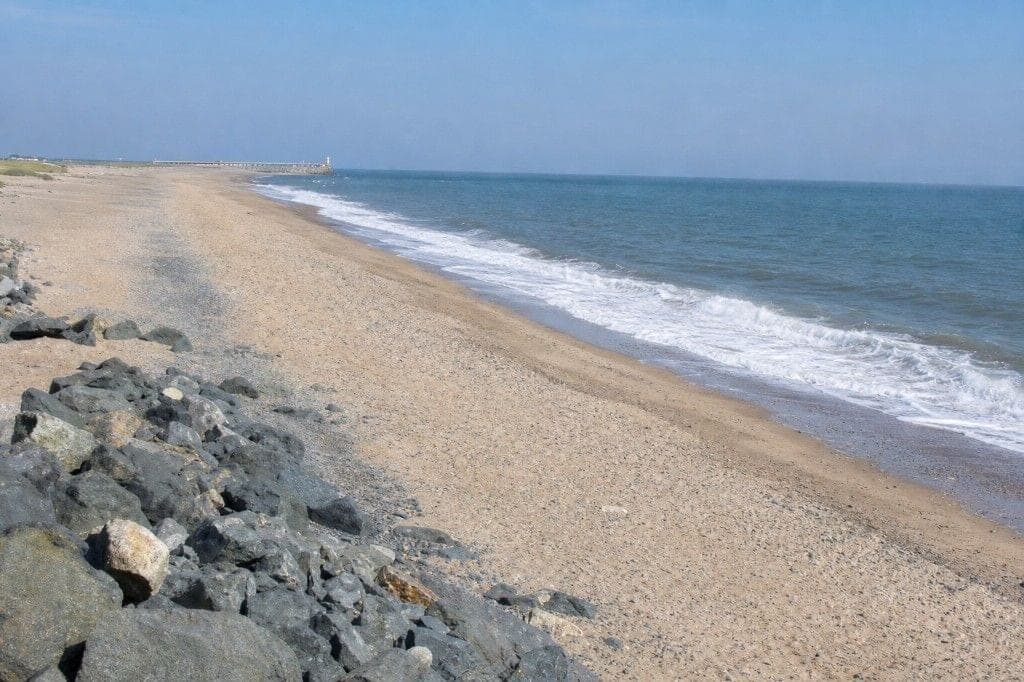
The tide. Flooding tide is the productive window for hounds and rays through the gullies, particularly two hours before high water until the tide peaks. After a south-easterly blow the bass fishing can be exceptional for 2 to 3 days. Documented summer requirement: ~100m casts; after storm conditions, short casts adequate.
Methods. Pulley rig clipped down with 4/0 hook (smoothhound); Running ledger; Surface lures and weedless soft plastics (bass).
Baits. Hardback green shore crab (the documented top hound bait, outlasts peeler against lesser species); Peeler crab (when bites are quick); Whole sandeel; Ragworm/squid cocktail (rays); Bait sized 2.5×1 inch sausage shape for hounds.
Local knowledge. Hardback green shore crab is the documented top smoothhound bait, modern UK/Irish consensus (Tronixpro, Talk Sea Fishing) is that peeler is attacked too quickly by lesser species like dogfish and pouting, while hardback lasts and selects properly for hounds. This is a tactical correction worth making in any bait advice for this venue. Bait size discipline is critical: 2.5×1 inch sausage shape, bigger baits get picked up and dropped, which is the most common cause of dropped takes here. The single biggest tactical insight from regional sources: the conditions tourists avoid (easterly gales with driving rain) are the conditions that produce specimen bass over 10 lb. Persistence in foul weather is rewarded. Smoothhound numbers peak around the second set of spring tides in April. Sea trout run the nearby Ennereilly River system, not Brittas, don't confuse the two when chasing trout.
From the mark’s guide, not checked on site.