


What requires no licence
What does require a licence
Ordinary marine shore angling in Irish tidal water needs no State rod licence: you can fish a beach, pier or rock mark for bass, mackerel, flatfish and the rest without one. Salmon and sea trout are different. Inland Fisheries Ireland requires a valid licence while fishing for either, tidal water included, and both sit under the Wild Salmon and Sea Trout Tagging Scheme with its own bag limits, gill tags and mandatory catch-and-release waters.
Minimum sizes and bag limits
| Species | Min size | Bag limit / note |
|---|---|---|
| Bass | 42 cm | 2 per 24h (Bye-Law No. 826 of 2007); catch and release only 1 Feb to 31 Mar (Irish Sea); no angling 15 May to 15 June (Bye-Law No. 826 of 2007). Size: EU MCRS / Reg. 2026/249 |
| Pollack | 30 cm | 3 per 24h, then catch and release (Pollack Bye-Law No. 1028 of 2026) |
| Flounder | No statutory MCRS (Common voluntary size 25 cm) | 25 cm is a common voluntary size, not a legal minimum |
| Mackerel | 20 cm | No statutory bag limit |
| Tope | N/A | Return strongly advised; vulnerable, not legally size-limited in Ireland |
| Dogfish | N/A | Not size-protected. Unhook carefully and return; poor eating |
| Smoothhound | N/A | Catch and release strongly recommended |
Bass limits, the May spawning closure, and enforcement detail are in our full bass fishing rules guide.
Bass conservation, the rules that matter most
Bass rules, strictly enforced
- Minimum size: 42cm measured from tip of lower jaw to tip of tail
- Bag limit: 2 bass per angler per 24 hours when retention is permitted (Bye-Law No. 826 of 2007)
- 1 February to 31 March: catch and release only (EU measure for ICES Division 7a, includes the Irish Sea)
- 15 May to 15 June: no bass angling at all (national spawning closure)
- April, July to January: retention permitted subject to the two-fish limit and minimum size
- EU recreational allowance is three fish in 2026; Ireland enforces the more restrictive national limit
- All undersized bass must be returned immediately and carefully
Many experienced Wicklow anglers practise full catch and release for bass regardless of size. A 42cm bass is a 5 to 6 year old fish, returning it allows it to grow and breed many times over.
Access to the shore
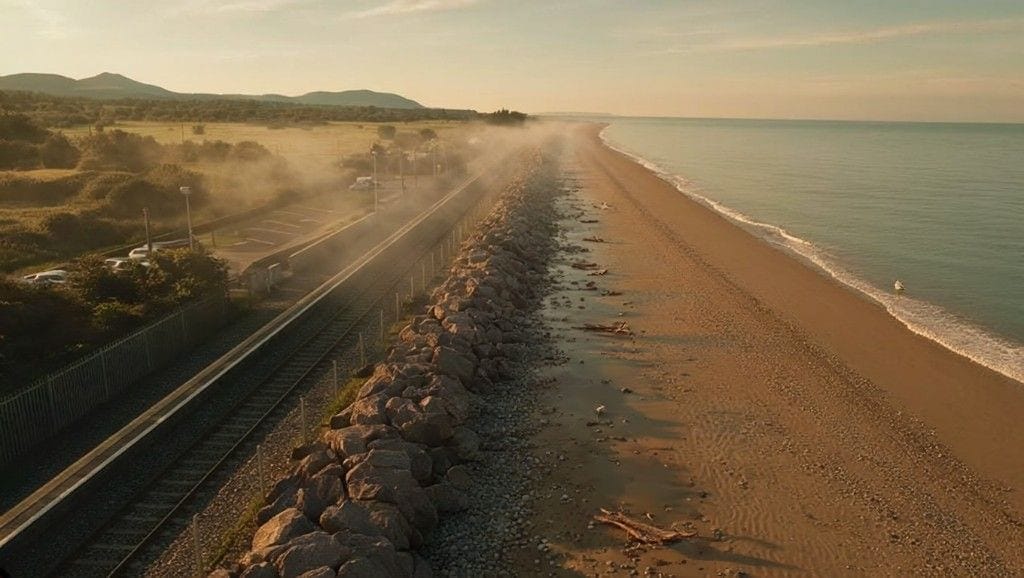
Public access to the Irish coastline is generally good. Beaches managed by local authorities are freely accessible. Some privately owned coastal land restricts access, always use established paths and avoid crossing private property. The railway crossings at Wicklow coast marks like Kilcoole require using the designated pedestrian crossing and closing the gate behind you.
Key points
- 1No State rod licence for ordinary sea angling. Salmon and sea trout need one.
- 2Freshwater fishing requires an IFI rod licence. So do salmon and sea trout, tidal water included
- 3Bass: 42cm minimum, 2 per 24 hours when retention is allowed; catch and release only 1 Feb to 31 Mar; no angling 15 May to 15 June
- 4Tope: always return; vulnerable and slow-growing, strong norm in Ireland though not a legal requirement here
- 5Dogfish: not protected; abundant, unhook carefully and return, poor eating
- 6Pollack: statutory minimum 30 cm (EU MCRS, SFPA list), three per 24 hours then catch and release (2026 pollack bye-law). Flounder: no statutory MCRS; 25 cm is a common voluntary size. Mackerel: 20 cm MCRS
- 7Bass has three windows: Feb to Mar catch-and-release only (EU), May to June no angling (Bye-Law No. 826 of 2007), retention limits in other months
Plan your next session