Dublin · high confidence · research ranking
Howth East Pier.
Research ranking from Dublin Port (North Wall, via Wicklow +18 min) and Bay weather — provisional until field-verified. Live conditions stay on Tide & weather / Dublin today.
Howth East Pier is the open-water side of the harbour: a public pier mark with deep wall edges, rougher pier ground, summer mackerel crowds and enough year-round variety to justify its own entry rather than folding everything into one generic Howth page. Published Dublin Bay shore notes consistently point to mackerel, pollack, coalfish, whiting, dogfish, codling, conger and grey mullet, with the east arm better suited to spinning and wall work than quiet flatfish ledgering. The setting is accessible and familiar, but it is still a working harbour edge with tourist pressure, seals, boat movement and seasonal crowding.
High confidence mark entry compiled from published sources and public Howth shore-fishing patterns. Research ranking is provisional and separate from Wicklow; confirm access and safety on the day.
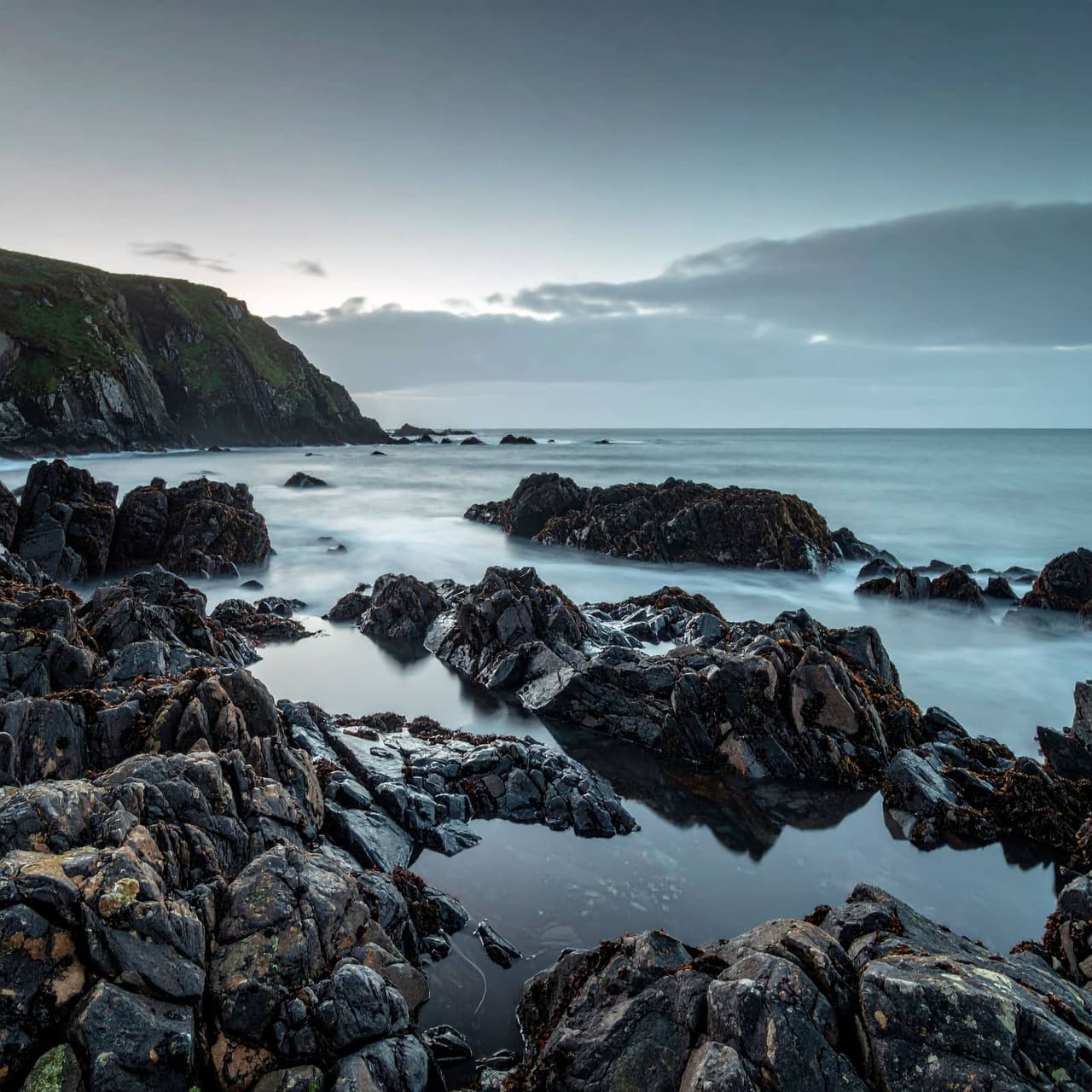
Optional detail
Next 48 hours.
Hourly research ranking with the Dublin Port tide curve. Expand only if you want the matrix.View 48-hour detail →
Optional detail
Next 48 hours.
| Fri 1410:00 | Fri 1411:00 | Fri 1412:00 | Fri 1413:00 | Fri 1414:00 | Fri 1415:00 | Fri 1416:00 | Fri 1417:00 | Fri 1418:00 | Fri 1419:00 | Fri 1420:00 | Fri 1421:00 | Fri 1422:00 | Fri 1423:00 | Sat 1500:00 | Sat 1501:00 | Sat 1502:00 | Sat 1503:00 | Sat 1504:00 | Sat 1505:00 | Sat 1506:00 | Sat 1507:00 | Sat 1508:00 | Sat 1509:00 | Sat 1510:00 | Sat 1511:00 | Sat 1512:00 | Sat 1513:00 | Sat 1514:00 | Sat 1515:00 | Sat 1516:00 | Sat 1517:00 | Sat 1518:00 | Sat 1519:00 | Sat 1520:00 | Sat 1521:00 | Sat 1522:00 | Sat 1523:00 | Sun 1600:00 | Sun 1601:00 | Sun 1602:00 | Sun 1603:00 | Sun 1604:00 | Sun 1605:00 | Sun 1606:00 | Sun 1607:00 | Sun 1608:00 | Sun 1609:00 |
|---|---|---|---|---|---|---|---|---|---|---|---|---|---|---|---|---|---|---|---|---|---|---|---|---|---|---|---|---|---|---|---|---|---|---|---|---|---|---|---|---|---|---|---|---|---|---|---|
| 84P | 84P | 84P | 82P | 75P | 69P | 65P | 62P | 70P | 70P | 77P | 81P | 81P | 81P | 81P | 81P | 84P | 80P | 75P | 75P | 75P | 74P | 74P | 77P | 81P | 84P | 84P | 83P | 80P | 71P | 62P | 65P | 66P | 70P | 69P | 74P | 83P | 81P | 84P | 86P | 85P | 85P | 76P | 78P | 76P | 79P | 78P | 76P |
Scroll for all 48 hours
Mark details
Access, species and tactics.
- Type
- Pier
- Ground
- Pier
- Skill
- Beginner to intermediate
- Confidence
- high
Access
Use Howth village and harbour parking, or take the DART to Howth and walk to the pier with a compact setup. The station is close enough for a light lure or feather session without a car, which is one reason this mark is so heavily used in summer. Keep to public pier areas, leave room for walkers, and avoid operational sections, berths, steps or crew access. The published Howth high-water difference is about five minutes before Dublin Port North Wall, so it fits the regional Port-based planning notes without pretending there is a private pier gauge on this site.
Tide
Plan from Dublin Port North Wall with Howth about five minutes earlier at high water. Flood and early ebb are the cleanest published windows for moving mackerel and lure fish, while winter bait sessions depend more on darkness, colour and comfort than on an exact minute. The Port timing note is only a planning reference; watch local flow around the pier end and do not let a tide table override boat movement or crowd conditions.
Safety
Howth East Pier is public, busy and operational. Keep rods, tripods and casts clear of walkers, children, cyclists, harbour staff and any vessel movement. Lower steps and wall edges can be greasy, especially when landing fish or retrieving snagged gear. Summer feather fishing becomes hazardous when multiple anglers swing rigs in close quarters, so use controlled overhead casting only where there is clear space. Seals add another practical hazard because anglers can lean too far or rush a fish. Harbour signs, temporary closures and crew instructions take priority over any angling guide.
Tactics
Feathers, small metals and slim casting jigs are the normal summer method when mackerel are running, especially near the outer sections where shoals pass the harbour mouth. Pollack and coalfish are often closer to the wall than beginners expect, so soft plastics, float-fished strip baits and small metals worked parallel to the masonry can outfish blind long casts. Winter and night sessions are slower bait work: two-hook flappers or running ledgers with lug, rag, mackerel strip or squid for whiting, dogfish and codling, with stronger single-hook gear if specifically fishing rougher wall edges for conger. Seals are a practical nuisance here and can steal hooked fish or bait, so keep fish moving and do not feed them.
Ground
The ground is built pier structure over harbour-edge depth, wall shadow, broken stone, rough pockets and cleaner lanes farther from the masonry. The east side feels more open than the inner harbour and gives useful lure water along the face, around the end, and across current lines formed where harbour water meets Dublin Bay. Tackle loss is possible close to the wall and around rougher pier ground, but the mark is not a remote rock venue. Short, accurate casts and controlled retrieves are more valuable than distance. Bottom anglers should expect a mix of snaggy edges and cleaner patches rather than uniform sand.
Session pattern
A realistic session starts by reading people as much as water. In mackerel season the best-looking rail can be crowded, so a shorter, safer cast from a quieter legal spot is better than fighting for a corner. Outside peak summer, the pier can produce a compact after-work session: lure for pollack and coalfish near structure, then switch to bait as light falls. Dublin Port North Wall minus about five minutes is the planning shorthand for Howth high water. Common mistakes are casting over pedestrians, assuming every shoal will stay within feather range, and leaving bait unattended when seals are active.
Species context
Mackerel: Open water around harbour mouths and headlands when baitfish shoals are pushed close in; often mid-water rather than tight to the surface. Season coast-wide: June to October.
Pollack: Rocky kelp ground, harbour walls and pier pilings where current runs past structure, often tight to the wall or reef edges. Season coast-wide: Year round.
Coalfish: Harbour walls, pier mouths and rough ground where baitfish shoals run, especially in colder months when pollack fishing fades. Season coast-wide: September to May.
Whiting: Open sandy and shingle beaches and harbour channels in winter, following whitebait and sandeel shoals inshore. Season coast-wide: October to April.
Dogfish: Clean sandy ground from shallow surf to deeper water, often around sandbars and gutters where food collects. Season coast-wide: Year round.
Cod: Deep harbour channels, pier-wall snags and the Greystones to Wicklow shingle belt in winter, anywhere young cod gather around tidal flow and coloured water after a blow. Codling is the usual Wicklow shore size class, not a separate target species here. Season coast-wide: October to December.
Conger eel: Rocky ground, pier pilings and harbour walls with crevices and snags where eels lair by day and hunt after dark. Greystones Harbour, Wicklow Town Pier, Jack's Hole and Wicklow Head Long Rock are the Wicklow marks where conger feature. Season coast-wide: Year round.
Grey mullet: Harbours, marinas, estuaries and tidal rivers with rich, slow-moving water and ample algae or detritus to graze. Season coast-wide: May to October.
These Dublin marks are researched from long-published pier and shore reports. Research ranking uses Bay weather and Port tide and stays provisional until field-verified. Treat access and safety notes as starting points, then confirm conditions on the day.
DUBLIN BAY
Get the Dublin session call.
More Bay and north-county marks on the Dublin hub. Howth East Pier research ranking is Excellent — provisional until walked.