


Species profile
Conger eel fishing in Ireland
Conger eel fishing from Wicklow piers and rock marks, tackle, baits and safety tips for targeting powerful eels after dark.

Quick answer
Conger eel fishing from Wicklow piers and rock marks, tackle, baits and safety tips for targeting powerful eels after dark.
In season
Typical size
Conservation
Irish record
47.49 kg
Irish Specimen Fish Committee record list, checked 17 August 2026. A specimen-class fish is well below this, the record is the ceiling, not the target.
Season on the coast
Peak and catchable months on the Wicklow shore.
Peak Jun to Aug · catchable Jan to Dec
- Peak
- Catchable
- Off season
- This month
Where they live
Rocky ground, pier pilings and harbour walls with crevices and snags where eels lair by day and hunt after dark. Greystones Harbour, Wicklow Town Pier, Jack's Hole and Wicklow Head Long Rock are the Wicklow marks where conger feature.
What to use
Whole or flapper mackerel · Herring · Squid · Small whiting or pouting (where legal)
How to fish them
Run heavy mono traces and large hooks straight down pier pilings or into cliff-base holes after dark. The first two hours of darkness on a flooding tide are the classic pier window, but Wicklow Head only fishes safely at slack water, so match your plan to the mark rather than a generic flood rule. At Long Rock, conger are under-targeted on a second bottom rod while most anglers spin for mackerel and pollack.
Optional detail
Kit, marks and more
Bait sourcing, starter gear, Wicklow and Dublin marks, related guides. Expand when you need the shopping list or mark directory.
Open kit and marks →
Suggested gear
Starter searches matched to tactics above
Amazon.ie affiliate links. We may earn a small commission at no extra cost to you. See the fishing calendar for month-by-month targets.
Affiliate disclosure: This page contains Amazon affiliate links. Irish Shore Fishing earns from qualifying purchases as an Amazon Associate, at no extra cost to you.
- View on Amazon →
12ft beachcaster rod
Backbone to turn a big fish before it reaches the rough stuff.
- View on Amazon →
Strong pulley rigs
Single big fish bait on a rig built to take the load.
- View on Amazon →
Heavy mono for the rubbing leader
The length of heavy line that takes the abrasion off a big fish.
- View on Amazon →
Long-nose pliers
Unhook at arm’s length. Both of these fish will take your hand off a hook.
Wicklow marks
Dargle-mouth working harbour. LRF-style mixed-species pier; codling, dab, flounder and plaice with summer bass and mullet.
Serious rock mark below Bray Head. Quality pollack and wrasse for experienced anglers only, never alone.
Sheltered marina pier, ideal for families and beginners. Good wrasse, pollack, mackerel and an established autumn squid fishery.
Mixed beach/rock cove south of Wicklow. Autumn night fishing for bass and pollack.
Lighthouse rocks at Wicklow Head. Deep water and severe tide rip, experienced rock anglers only. Autumn herring brings tope and conger.
Southern Wicklow Head rock mark. Spinning for mackerel/pollack; bass on across-current lures at dawn/dusk.
Deep-water working-harbour pier. Pollack, coalfish, winter whiting; rare connection to autumn shore-tope traffic on big distance baits.
Dublin Bay marks
Live ranking on Bay weather and Dublin Port tide. Howth and Dún Laoghaire pier access is field-verified; scored separately from Wicklow.
Howth East Pier is the open-water side of the harbour: a public pier mark with deep wall edges, rougher pier ground, summer mackerel crowds and enough year-round variety to justify its own entry rather than folding everything into one generic Howth page. Published Dublin Bay shore notes consistently point to mackerel, pollack, coalfish, whiting, dogfish, codling, conger and grey mullet, with the east arm better suited to spinning and wall work than quiet flatfish ledgering. The setting is accessible and familiar, but it is still a working harbour edge with tourist pressure, seals, boat movement and seasonal crowding.
Balscadden Bay is the more rock-and-gully side of Howth, close enough to the village to be practical but less forgiving than the harbour piers. Published reports around Cat Rock and Split Rock point to pollack, coalfish, wrasse, mackerel, codling, conger and dogfish. Structure and variety are what make it worth the walk, and the rock ground rewards a careful approach on the way in and out.
Poolbeg South Wall is the industrial Dublin Bay classic: a long walk to the red lighthouse through harbour-edge landscape, with published shore patterns for summer mackerel, pollack, coalfish, mullet, whiting, conger and occasional bass. It deserves a thick access note because access, port traffic and wall structure matter as much as species. It is not a charter or hot-water-outlet page, so confirm industrial access rules on the day.
Howth West Pier is the more harbour-facing Howth option, still very accessible but with a different feel from the open east arm. It suits beginner to intermediate pier fishing for mackerel, whiting, grey mullet and conger, while the sand between the piers gives a better public pattern for flounder and dab than the rougher east-side wall. Published information also notes an Eastern Regional Fisheries Board / IFI-style "angling only" zone at the pier head, which is useful context rather than permission to ignore current harbour signs. This is a commercial harbour mark first and a leisure angling mark second.
Coliemore Harbour is a small Dalkey shore mark with big surrounding context: harbour wall, rocky edges, Dalkey Sound, boat traffic and island water nearby. Published notes support codling, pollack, coalfish, conger, mackerel, whiting and dogfish from the shore, but this page deliberately excludes boat drifts, island landings and private foreshore shortcuts. It is a compact public harbour mark.
Dún Laoghaire West Pier is the quieter partner to the East Pier, still beginner-friendly and public but usually better framed as a bait and mixed-bottom option than as the first-choice summer spinning wall. The point gives access to mixed and sandy ground that supports dab, whiting, codling, pollack, bass, conger and grey mullet in published Dublin Bay shore notes. It can be simple in daylight and more serious after dark. Autumn and winter night ledgering is the honest published pattern, especially when colour, tide and reduced foot traffic make bait fishing more practical.
Related guides and tools
Marks, tactics, bait, gear, and the daily plan for this species
Read next
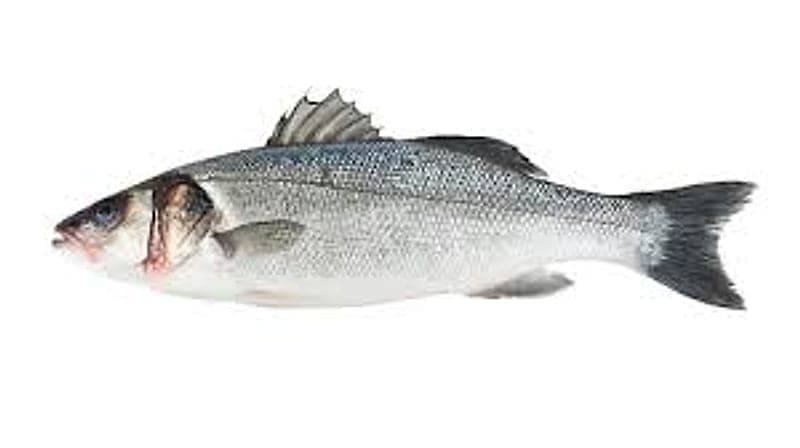
Bass Fishing Wicklow: Best Marks, Baits and Tides
Where to catch bass on the Wicklow coast: the beaches and rock marks that produce, the baits and lures that work, and the tides to fish them on.
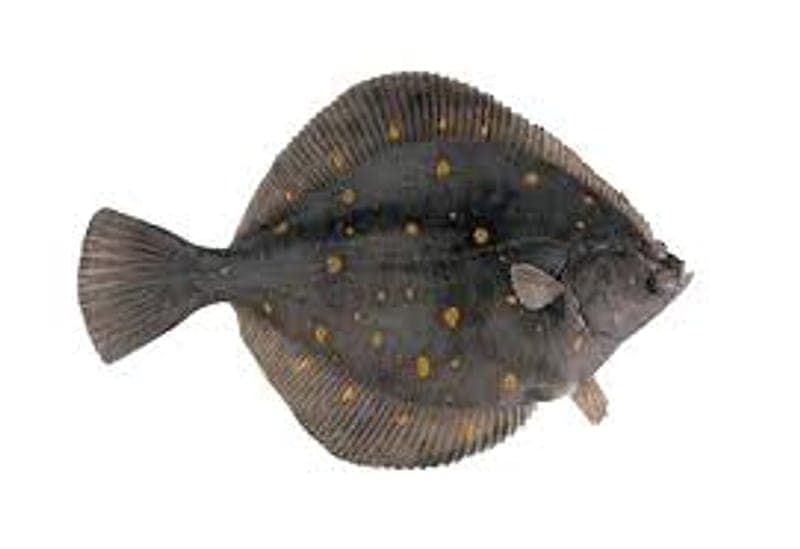
Winter Flounder Ireland: Beach Marks and Rigs
Winter flounder on Irish beaches, October to March. Estuary mouths, short casts, ragworm ledger rigs and the flood tides that put flatfish at your feet.
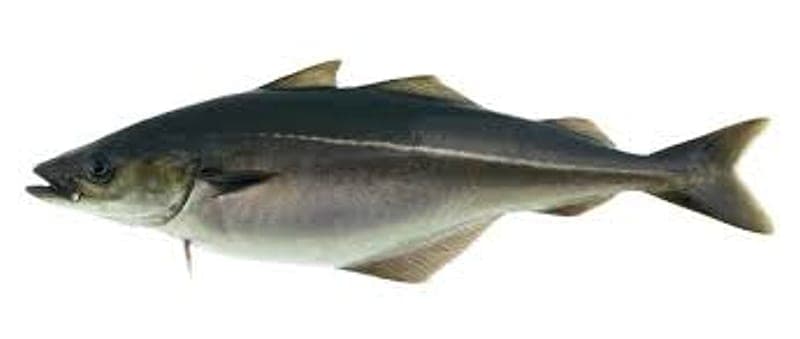
Coalfish vs Pollack Ireland: How to ID and Catch Both
Coalfish or pollack? Quick ID for Irish shore anglers, then the Wicklow pier and rock marks, lures and baits that catch both from late May through summer.
Irish Shore Fishing editorial
Written and checked on the Wicklow coast.
Target conger eel on the daily plan
Ranked marks, species windows, and gear for the Wicklow shore.