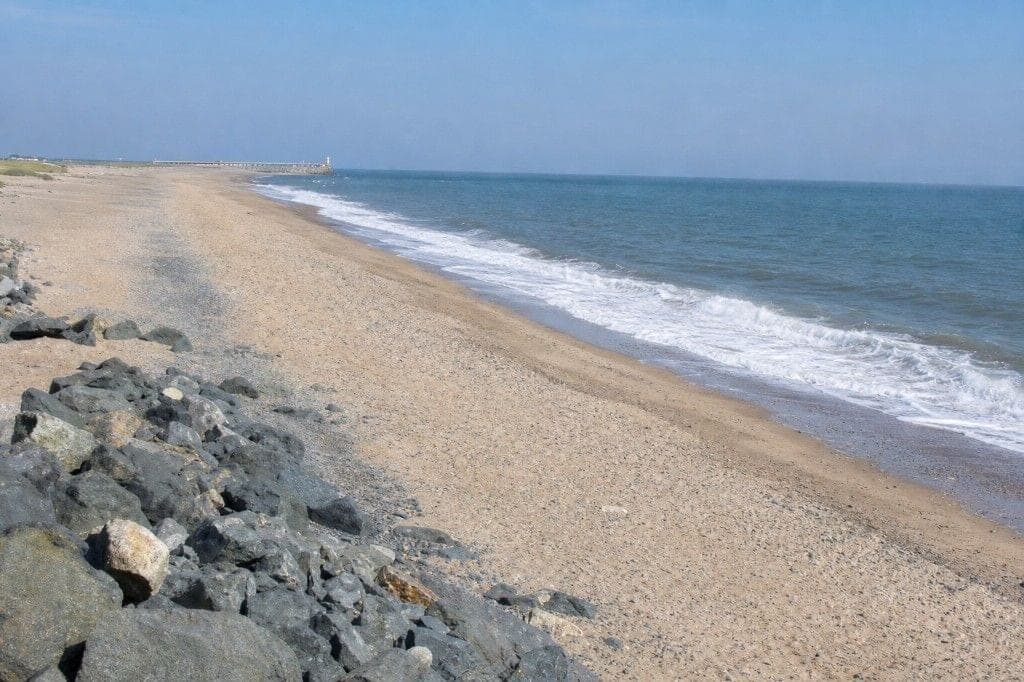
The tide. Slack water is the only workable window, the tide runs very fast here. Lighthouse Rocks tide rip is described in SAI threads as 'lethal, your first accident could be your last'. October tide turn for the biggest pollack.
Methods. Float rig; Heavy ledger with sacrificial weak link to leads (tackle graveyard); Lure fishing (jigs, shads); Tope-rig with whole mackerel or fresh herring (October).
Baits. Sandeel; Mackerel strip; Ragworm; Whole mackerel or fresh herring (autumn tope/conger).
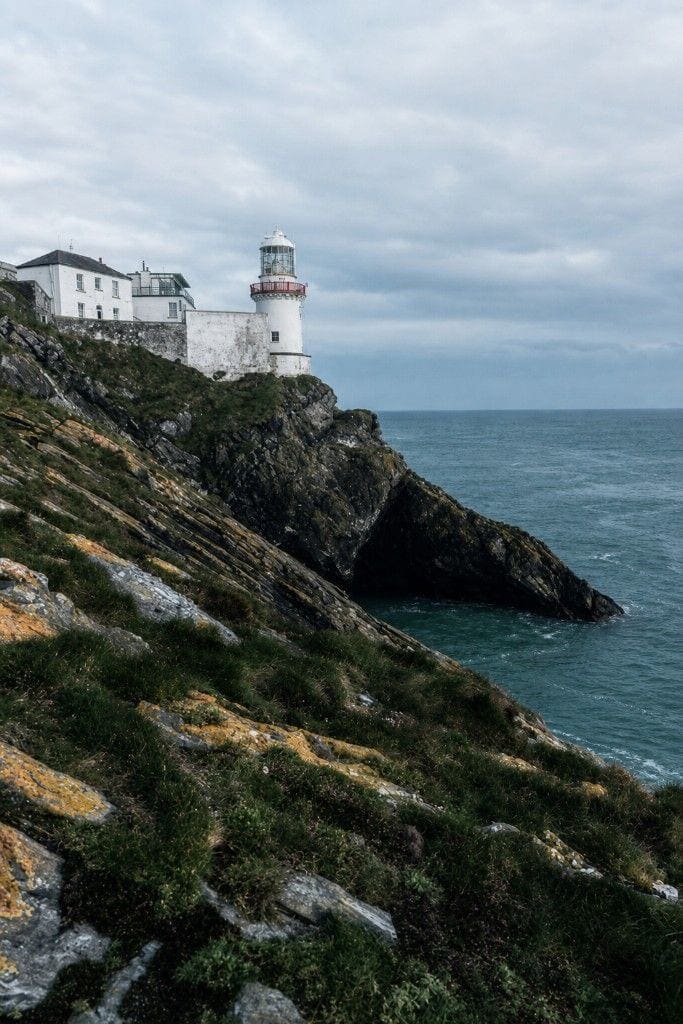
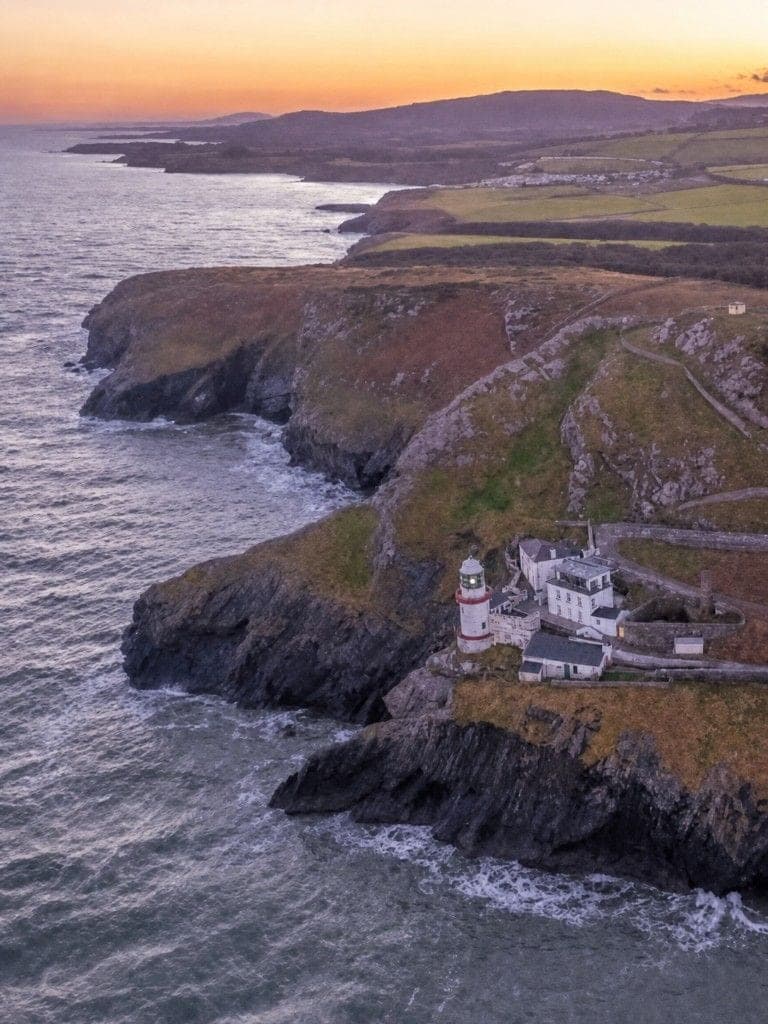
Local knowledge. This is the Wicklow Head sub-mark that requires the explicit safety overlay. SAI forum sources describe the tide rip as 'lethal' with multiple posters reinforcing that 'your first accident could well be your last'. There are very deep holes just off the steps, known locally as a 'tackle graveyard'. Budget heavy gear loss or rig a sacrificial weak link to your leads. The non-obvious October opportunity: as the first frosts hit, herring shoals push into the bay and tope/conger become viable on whole-mackerel or fresh-herring baits. This is a one-month window. The pollack connection: Kit Dunne's boat work shows multiple Irish Specimen Pollack recorded over the local wrecks under 20nm, same fish stock that uses this water column. Local poaching/take-everything behaviour at Wicklow Pier is reported to extend to this mark for the pollack fishing, worth a conservation note. Splitting Wicklow Head into three sub-marks rather than one record lets the site direct readers appropriately by skill level: Brides Head (intermediate), Long Rock (intermediate), Lighthouse (advanced only).
From the mark’s guide, not checked on site.