Dublin · medium confidence · research ranking
Balscadden Bay.
Research ranking from Dublin Port (North Wall, via Wicklow +18 min) and Bay weather — provisional until field-verified. Live conditions stay on Tide & weather / Dublin today.
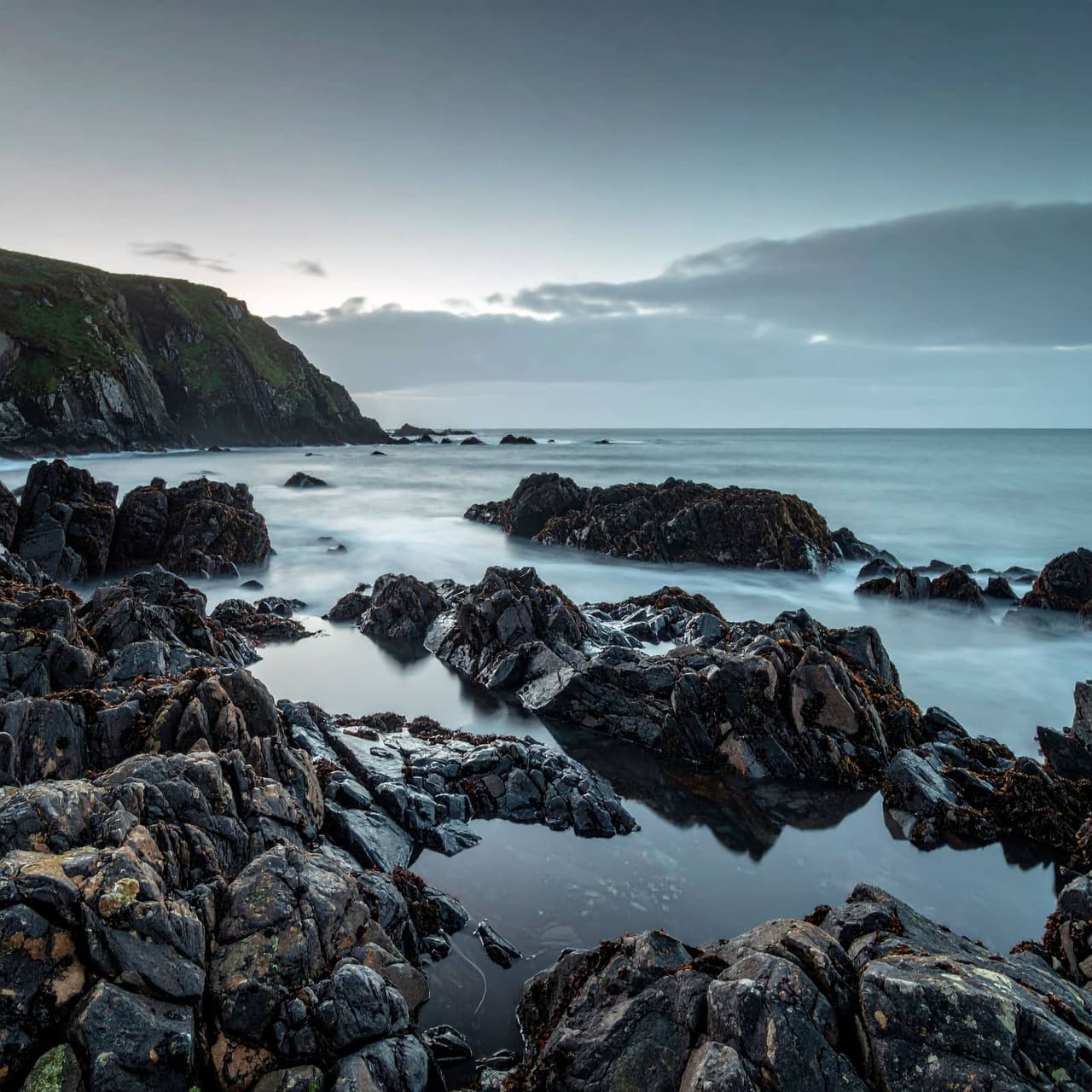
Balscadden Bay is the more rock-and-gully side of Howth, close enough to the village to be practical but less forgiving than the harbour piers. Published reports around Cat Rock and Split Rock point to pollack, coalfish, wrasse, mackerel, codling, conger and dogfish. Structure and variety are what make it worth the walk, and the rock ground rewards a careful approach on the way in and out.
Medium confidence: well documented rock mark, compiled from public reports rather than first-hand Wicklow field notes. Research ranking is model output on Bay weather and Port tide — provisional until walked.
Optional detail
Next 48 hours.
Hourly research ranking with the Dublin Port tide curve. Expand only if you want the matrix.View 48-hour detail →
Optional detail
Next 48 hours.
| Fri 1401:00 | Fri 1402:00 | Fri 1403:00 | Fri 1404:00 | Fri 1405:00 | Fri 1406:00 | Fri 1407:00 | Fri 1408:00 | Fri 1409:00 | Fri 1410:00 | Fri 1411:00 | Fri 1412:00 | Fri 1413:00 | Fri 1414:00 | Fri 1415:00 | Fri 1416:00 | Fri 1417:00 | Fri 1418:00 | Fri 1419:00 | Fri 1420:00 | Fri 1421:00 | Fri 1422:00 | Fri 1423:00 | Sat 1500:00 | Sat 1501:00 | Sat 1502:00 | Sat 1503:00 | Sat 1504:00 | Sat 1505:00 | Sat 1506:00 | Sat 1507:00 | Sat 1508:00 | Sat 1509:00 | Sat 1510:00 | Sat 1511:00 | Sat 1512:00 | Sat 1513:00 | Sat 1514:00 | Sat 1515:00 | Sat 1516:00 | Sat 1517:00 | Sat 1518:00 | Sat 1519:00 | Sat 1520:00 | Sat 1521:00 | Sat 1522:00 | Sat 1523:00 | Sun 1600:00 |
|---|---|---|---|---|---|---|---|---|---|---|---|---|---|---|---|---|---|---|---|---|---|---|---|---|---|---|---|---|---|---|---|---|---|---|---|---|---|---|---|---|---|---|---|---|---|---|---|
| 90P | 86P | 56P | 52P | 55P | 58P | 58P | 81P | 84P | 84P | 84P | 84P | 82P | 75P | 69P | 23P | 46P | 52P | 52P | 80P | 81P | 81P | 85P | 84P | 84P | 84P | 80P | 52P | 51P | 52P | 51P | 51P | 80P | 84P | 84P | 84P | 84P | 81P | 79P | 45P | 47P | 50P | 51P | 51P | 80P | 84P | 81P | 81P |
Scroll for all 48 hours
Mark details
Access, species and tactics.
- Type
- Rock
- Ground
- Rock
- Skill
- Intermediate
- Confidence
- medium
Access
Start from the Balscadden car park northeast of Howth village and use the obvious public approaches. It is easier and lower than the more exposed Howth Head cliff marks, but it is still rock fishing, not a promenade pier. DART to Howth then walk or use local buses if travelling light. Avoid private gardens, closed cliff paths, and any scramble that turns the session into a rescue problem.
Tide
Plan from Dublin Port tables with Howth high water about five minutes earlier than North Wall. Rising water after low often concentrates fish in gullies and over ledges, but the flood also removes easy exits. Do not let a published tide window outrank the observed swell line on the rock.
Safety
Slippery rock, surge and cut-off ledges are the hazards. Avoid onshore swell, wet ledges below the splash line, and any cliff-edge stance. Wear boots with grip, carry less tackle, and move before the flood boxes you in. This guide does not cover boat trips to Ireland's Eye or private cliff approaches.
Tactics
Fish the close structure first. Float-fished rag, crab or strip bait works for wrasse and pollack around weed edges; soft plastics and small metals cover pollack and coalfish in clearer water. Feathers are useful when mackerel show, but they are not the whole mark. Over rougher night ground, single-hook ledgers and rotten-bottom thinking are better than delicate multi-hook rigs. Conger and dogfish notes belong to careful darkness sessions, not casual family fishing.
Ground
The ground is broken rock, kelp, gullies, shallow shelves and rougher pockets that meet Howth Sound water. Fish hold in the first few metres of depth change, in weed-fringed cuts, and along edges where swell lifts food from rock. Long casting is less important than placing a bait or lure cleanly beside structure and being able to retrieve it. The same features that hold pollack, wrasse and conger also take tackle, so rig accordingly.
Session pattern
Plan Balscadden around manageable swell, daylight access and a tide that lets you retreat without rushing. Published patterns favour rising water after low for fish entering gullies, but the practical rule is simpler: if the ledges are wet from swell, choose a pier. A good session is mobile, with a small bag, one lure or float rod and one heavier ledger rod at most. Common mistakes are overcasting rough ground, standing too low, and treating Howth Head rock access as uniform.
Species context
Pollack: Rocky kelp ground, harbour walls and pier pilings where current runs past structure, often tight to the wall or reef edges. Season coast-wide: Year round.
Coalfish: Harbour walls, pier mouths and rough ground where baitfish shoals run, especially in colder months when pollack fishing fades. Season coast-wide: September to May.
Wrasse: Rocky ground, kelp forest and reef structure where wrasse hold tight to cover and rarely move far from their home territory. Season coast-wide: April to November.
Mackerel: Open water around harbour mouths and headlands when baitfish shoals are pushed close in; often mid-water rather than tight to the surface. Season coast-wide: June to October.
Cod: Deep harbour channels, pier-wall snags and the Greystones to Wicklow shingle belt in winter, anywhere young cod gather around tidal flow and coloured water after a blow. Codling is the usual Wicklow shore size class, not a separate target species here. Season coast-wide: October to December.
Conger eel: Rocky ground, pier pilings and harbour walls with crevices and snags where eels lair by day and hunt after dark. Greystones Harbour, Wicklow Town Pier, Jack's Hole and Wicklow Head Long Rock are the Wicklow marks where conger feature. Season coast-wide: Year round.
Dogfish: Clean sandy ground from shallow surf to deeper water, often around sandbars and gutters where food collects. Season coast-wide: Year round.
These Dublin marks are researched from long-published pier and shore reports. Research ranking uses Bay weather and Port tide and stays provisional until field-verified. Treat access and safety notes as starting points, then confirm conditions on the day.
DUBLIN BAY
Get the Dublin session call.
More Bay and north-county marks on the Dublin hub. Balscadden Bay research ranking is Excellent — provisional until walked.