Plaice fishing in Ireland
Irish plaice from clean Wicklow beaches, March to September. Beaded rigs, ragworm baits and sand marks where bright-spotted flatfish feed close in.
Irish Shore Fishing editorial, reviewed September 2026.
Out of season in November
Peak May to Jul, catchable Mar to Sep
Quick answer
Irish plaice from clean Wicklow beaches, March to September. Beaded rigs, ragworm baits and sand marks where bright-spotted flatfish feed close in.
- In season
- March to September
- Typical size
- 400 to 800 g from clean sand with shell patches
- Conservation
- Release advised
Irish record
3.84 kg
Irish Specimen Fish Committee record list, checked 17 August 2026. A specimen-class fish is well below this, the record is the ceiling, not the target.
Where they live
Clean sandy ground with shell and gravel, slightly deeper than typical flounder marks; Brides Head adds worm or crab over sand patches between rocks in July to August for plaice and dab alongside the spinning species.
What to use
Ragworm, Lugworm, Sandeel strip, Ragworm and mussel cocktails
How to fish them
On Kilcoole, Greystones South and Five Mile Point use the shingle-belt falling-tide pattern for much of your fishing, but still work the close-in plaice window after easterlies or flat warm spells, when fish hold inside about 30 yards and take worm or spoon in May. At Silver Strand expect plaice May to September, with the best of it close in around high water. Wicklow Head and Brides Head want crab or worm fished onto the sand pockets in mid-summer rather than long-range casting alone.
Optional detail
Kit, marks and more
Bait sourcing, starter gear, Wicklow and Dublin marks, related guides. Expand when you need the shopping list or mark directory.
Open kit and marks
Get your bait
The bait that works here comes off the shore, not out of a box.
Ragworm is dug, not bought, if you want it at its best. Estuary mud and sheltered harbour ground hold both king rag and harbour rag.
Dig the last two hours of a spring ebb, work one small patch rather than a wide area, and backfill what you turn.
How to dig, keep and hook ragwormLugworm is dug off open sand. The cast beds sit low on the shore and only uncover on the bigger tides. Big spring low water exposes the beds; dig below the last line of casts and give a worked patch a few weeks.
Where to dig lugworm in WicklowSandeel is raked or netted out of clean sand, and it fishes best the day you get it. Work clean low-water sand on a spring tide from late spring through summer, when the eels are in close.
How to get and rig fresh sandeelMussel is picked off mid-shore rock and pier legs on the ebb, then bound to the hook. Pick on any low water, take only what you will fish that session, and leave the small ones on the rock.
Kit that keeps collected bait fishable
Handling kit only. The bait itself is collected, not bought.
- See it in Kit
Bait elastic thread
Binds soft collected bait to the hook so it survives the cast.
- See it in Kit
Vented bait box
Keeps crab and worm alive and separated on the way home and back out.
Insulated cool bag
Collected bait dies in a warm car. Cold and dark buys you a day or two.
Chest waders
Low-water crab and worm ground means wet feet and cold gullies.
- See it in Kit
Bait scissors
Cuts crab, worm and fish bait cleanly without mangling it.
Suggested gear
What to bring, matched to the tactics above
See the fishing calendar for month-by-month targets.
- See it in Kit
12ft beachcaster rod
Covers the gutters and troughs flatfish sit in on a flooding tide.
- See it in Kit
Two-hook flapper rigs
The standard flatfish rig for beaches and estuary mouths.
- See it in Kit
Aberdeen hooks, 1/0 fine wire
Long shank and fine wire for the small mouths flatfish have.
- See it in Kit
Bait elastic thread
Holds a soft bait together through the cast and the drag back.
Need a full shopping list? Bait fishing gear buyer guide in Kit.
Wicklow marks
Avoca river-mouth shore complex (Ferrybank + South Beach). Bass, hounds, flatfish; historical specimen sole.
Dargle-mouth working harbour. LRF-style mixed-species pier; codling, dab, flounder and plaice with summer bass and mullet.
Premier Wicklow bass beach. Specimen bass in storm conditions; smoothhound and rays in summer.
Specimen smoothhound run on spring nights, the single insight justifying this mark. May ray/plaice; nursery beach the rest of the year.
Accessible competition-grade town beach with reliable winter codling and close-in plaice in calm weather.
Flat shingle beach, great for beginners. Reliable flatfish year-round; codling and coalfish through the colder months.
Sheltered sandy cove. Spring/autumn surf bass and a rare-for-the-east-coast spurdog fishery on summer night tides.
NE face of Wicklow Head below the golf course. Reliable spinning mark for mackerel and pollack.
Dublin Bay marks
Dublin Bay marks that list this species, north to south, with how well each is verified. The conditions check for the Bay is on the Dublin coast hub.
Related guides and tools
Marks, tactics, bait, gear, and the daily plan for this species
Read next
Winter Flounder Ireland: Beach Marks and Rigs
Winter flounder on Irish beaches, October to March. Estuary mouths, short casts, ragworm ledger rigs and the flood tides that put flatfish at your feet.
Irish Plaice Season: Beach Marks and Rigs for Wicklow
Irish plaice from March to September on clean Wicklow sand, peaking May to July. Beaded flapper rigs, ragworm baits and the beach marks where spotted flatfish feed close in.
Bass Fishing Wicklow: Best Marks, Baits and Tides
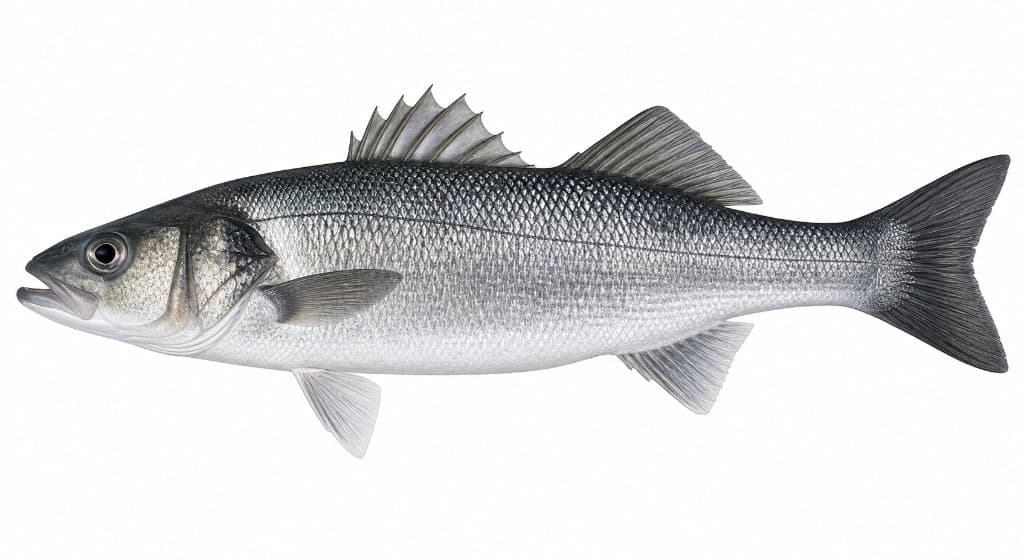
Where to catch bass on the Wicklow coast: the beaches and rock marks that produce, the baits and lures that work, and the tides to fish them on.
Irish Shore Fishing editorial
Written and checked on the Wicklow coast.
Is today worth a session?
The conditions check reads today's wind, gusts, rain, tides and Met Éireann warnings for the Wicklow shore.