Dublin · high confidence · research ranking
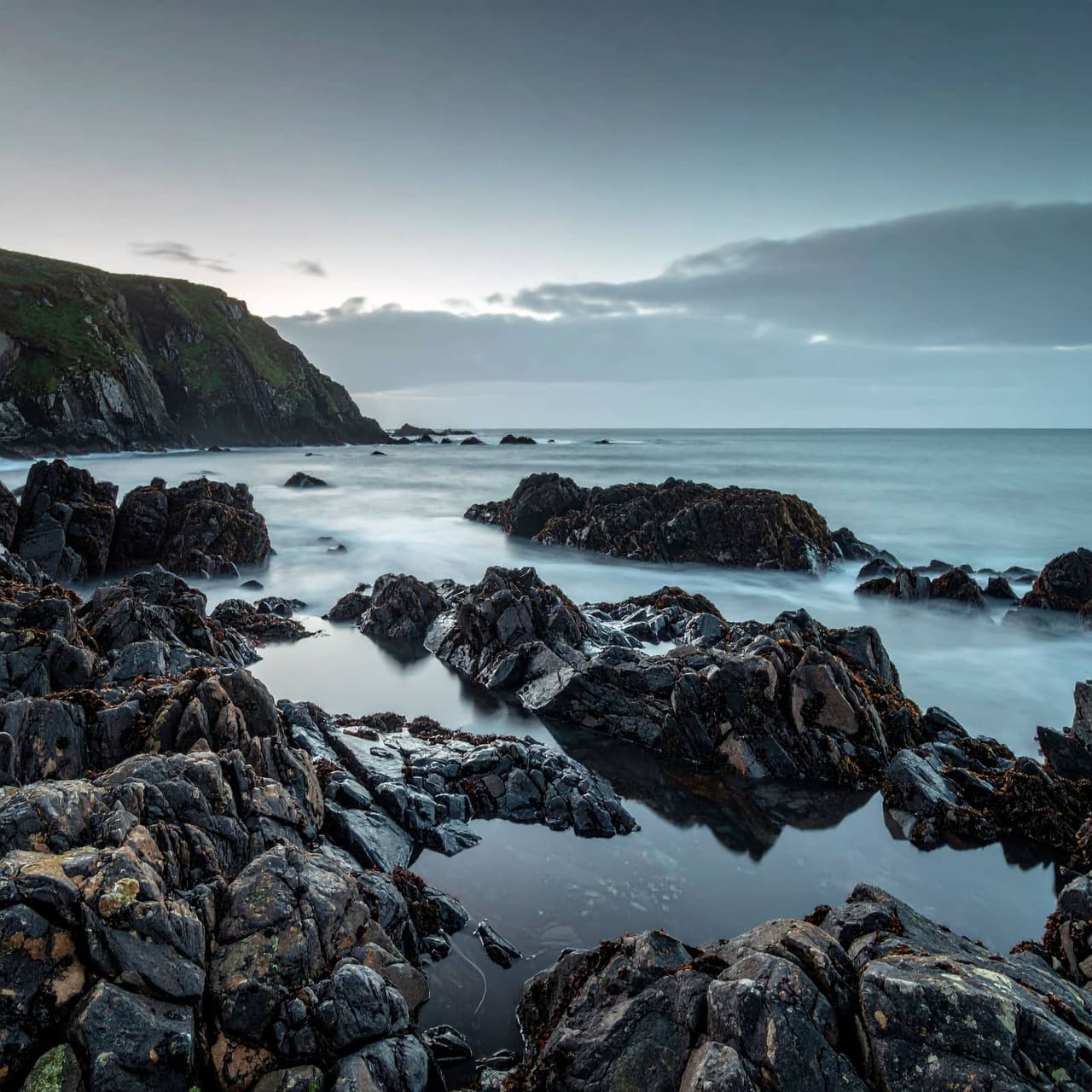
Killiney Beach.
Research ranking from Dublin Port (North Wall, via Wicklow +18 min) and Bay weather — provisional until field-verified. Live conditions stay on Tide & weather / Dublin today.
Killiney Beach is the south edge of the Dublin coast: steep shingle and sand in Killiney Bay, railway behind, deep water close enough to matter and published patterns for bass, flounder, codling, coalfish, mackerel, dab and dogfish. It feels closer to a Wicklow shingle beach than Sandymount does, but it stays in the Dublin scoring region with Port tide timing.
High confidence published Killiney beach pattern from Angling Ireland and ERFB-style notes. Bray Head rocks remain Wicklow marks and access-closed on recommendations.
Optional detail
Next 48 hours.
Hourly research ranking with the Dublin Port tide curve. Expand only if you want the matrix.View 48-hour detail →
Optional detail
Next 48 hours.
| Fri 1404:00 | Fri 1405:00 | Fri 1406:00 | Fri 1407:00 | Fri 1408:00 | Fri 1409:00 | Fri 1410:00 | Fri 1411:00 | Fri 1412:00 | Fri 1413:00 | Fri 1414:00 | Fri 1415:00 | Fri 1416:00 | Fri 1417:00 | Fri 1418:00 | Fri 1419:00 | Fri 1420:00 | Fri 1421:00 | Fri 1422:00 | Fri 1423:00 | Sat 1500:00 | Sat 1501:00 | Sat 1502:00 | Sat 1503:00 | Sat 1504:00 | Sat 1505:00 | Sat 1506:00 | Sat 1507:00 | Sat 1508:00 | Sat 1509:00 | Sat 1510:00 | Sat 1511:00 | Sat 1512:00 | Sat 1513:00 | Sat 1514:00 | Sat 1515:00 | Sat 1516:00 | Sat 1517:00 | Sat 1518:00 | Sat 1519:00 | Sat 1520:00 | Sat 1521:00 | Sat 1522:00 | Sat 1523:00 | Sun 1600:00 | Sun 1601:00 | Sun 1602:00 | Sun 1603:00 |
|---|---|---|---|---|---|---|---|---|---|---|---|---|---|---|---|---|---|---|---|---|---|---|---|---|---|---|---|---|---|---|---|---|---|---|---|---|---|---|---|---|---|---|---|---|---|---|---|
| 47P | 49P | 49P | 54P | 80P | 83P | 83P | 80P | 82P | 82P | 76P | 44P | 40P | 43P | 46P | 51P | 79P | 81P | 80P | 80P | 80P | 80P | 80P | 52P | 50P | 50P | 50P | 49P | 50P | 79P | 83P | 82P | 82P | 82P | 82P | 83P | 51P | 49P | 52P | 49P | 51P | 75P | 81P | 79P | 80P | 80P | 82P | 81P |
Scroll for all 48 hours
Mark details
Access, species and tactics.
- Type
- Beach
- Ground
- Shingle
- Skill
- Beginner to intermediate
- Confidence
- high
Access
Park legally around Killiney village or Vico Road and reach the beach by the marked railway footbridge, or take the DART to Killiney. The access rule is simple: use the footbridge and legal public routes only. Do not cross railway property, climb fences, or invent shortcuts because the beach is visible below. Carrying lighter gear makes the walk and shingle easier.
Tide
Use Dublin Port tables. The published Killiney pattern is a flooding tide into a gentle onshore, with darkness improving confidence for bass, codling and coalfish. Bray sits just south of the county border and has its own Wicklow mark treatment, so do not merge those access or scoring assumptions into Killiney.
Safety
Steep shingle, the railway behind you and dumpers in storms are the hazards. Never cross tracks except at the marked footbridge. Keep tripods above the wash, watch for sudden shingle collapse underfoot, and leave if swell starts landing hard. Darkness sessions need a reliable headtorch and a clean route back to the footbridge.
Tactics
Fish the flood with a gentle onshore breeze for bass and flounder, using lug, rag, crab or fish baits on rigs that can handle shingle movement. Deep water close in means long casts are often unnecessary, especially after dark or in coloured water. Winter nights bring the more honest codling and coalfish pattern, with dogfish and dab possible. Summer feathers are worthwhile only when mackerel are actually showing; do not flog empty water all afternoon.
Ground
The ground is steep shingle over sand, with storm-beach slope, close depth and patches that shift after weather. Fish hold near the first drop, in coloured water along the shingle lip, and where a gentle onshore pushes food into the beach. The bottom is cleaner than Howth rock but less forgiving than flat sand. Short to medium casts cover the key water; the mistake is often casting beyond feeding fish into dead ground.
Session pattern
A typical Killiney session is evening or night around a flooding tide, with the wind checked carefully before travelling. A light onshore and some colour suit the published bass and codling pattern; hard surf and dumpers make the steep beach unpleasant and unsafe. Common mistakes are crossing the railway illegally, standing too low on shingle during surf, bringing pier tackle that will not grip, and assuming Bray Head rock notes apply to this Dublin beach.
Species context
Bass: Surf beaches, rocky headlands, harbour walls, estuaries and sandy gutters, most reliably in coloured, wind-driven surf and around tidal rips or white water. Season coast-wide: April to November.
Flounder: Estuaries, sandy beaches, muddy creeks and shallow inshore ground, especially around river mouths and drainage outflows. Season coast-wide: Year round.
Cod: Deep harbour channels, pier-wall snags and the Greystones to Wicklow shingle belt in winter, anywhere young cod gather around tidal flow and coloured water after a blow. Codling is the usual Wicklow shore size class, not a separate target species here. Season coast-wide: October to December.
Coalfish: Harbour walls, pier mouths and rough ground where baitfish shoals run, especially in colder months when pollack fishing fades. Season coast-wide: September to May.
Mackerel: Open water around harbour mouths and headlands when baitfish shoals are pushed close in; often mid-water rather than tight to the surface. Season coast-wide: June to October.
Dab: Clean sandy ground close inshore, often mixed with flounder on Wicklow surf and shingle beaches. Season coast-wide: Year round.
Dogfish: Clean sandy ground from shallow surf to deeper water, often around sandbars and gutters where food collects. Season coast-wide: Year round.
These Dublin marks are researched from long-published pier and shore reports. Research ranking uses Bay weather and Port tide and stays provisional until field-verified. Treat access and safety notes as starting points, then confirm conditions on the day.
DUBLIN BAY
Get the Dublin session call.
More Bay and north-county marks on the Dublin hub. Killiney Beach research ranking is Mixed — provisional until walked.