Dublin · medium confidence · research ranking
Loughshinny.
Research ranking from Dublin Port (North Wall, via Wicklow +18 min) and Bay weather — provisional until field-verified. Live conditions stay on Tide & weather / Dublin today.
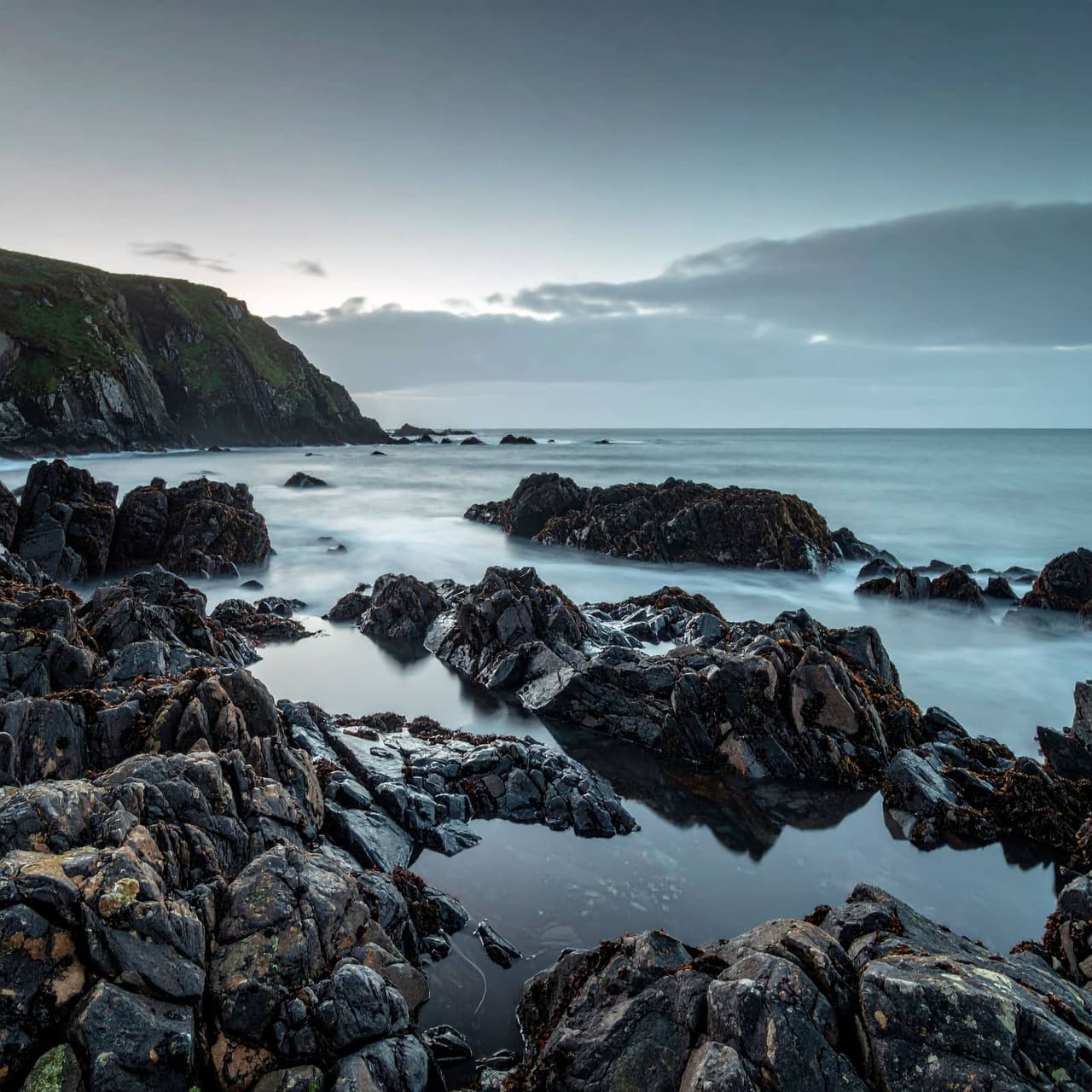
Loughshinny is a small north Dublin harbour, pier and slipway mark over mixed ground, best treated as a compact tidal session rather than a big all-day venue. Published patterns include summer mackerel on high water, plus coalfish and codling in autumn night conditions, with flounder possible over cleaner patches. The mark is accessible and familiar, but it is still a working coastal harbour with a tidal pier, slipway activity and Fingal rule uncertainty. The honest appeal is a manageable pier session when tide, season and local activity line up, not a guaranteed deep-water destination.
Medium confidence mark entry compiled from published sources and public Loughshinny harbour patterns. Research ranking is provisional and separate from Wicklow; check access locally.
Optional detail
Next 48 hours.
Hourly research ranking with the Dublin Port tide curve. Expand only if you want the matrix.View 48-hour detail →
Optional detail
Next 48 hours.
| Fri 1400:00 | Fri 1401:00 | Fri 1402:00 | Fri 1403:00 | Fri 1404:00 | Fri 1405:00 | Fri 1406:00 | Fri 1407:00 | Fri 1408:00 | Fri 1409:00 | Fri 1410:00 | Fri 1411:00 | Fri 1412:00 | Fri 1413:00 | Fri 1414:00 | Fri 1415:00 | Fri 1416:00 | Fri 1417:00 | Fri 1418:00 | Fri 1419:00 | Fri 1420:00 | Fri 1421:00 | Fri 1422:00 | Fri 1423:00 | Sat 1500:00 | Sat 1501:00 | Sat 1502:00 | Sat 1503:00 | Sat 1504:00 | Sat 1505:00 | Sat 1506:00 | Sat 1507:00 | Sat 1508:00 | Sat 1509:00 | Sat 1510:00 | Sat 1511:00 | Sat 1512:00 | Sat 1513:00 | Sat 1514:00 | Sat 1515:00 | Sat 1516:00 | Sat 1517:00 | Sat 1518:00 | Sat 1519:00 | Sat 1520:00 | Sat 1521:00 | Sat 1522:00 | Sat 1523:00 |
|---|---|---|---|---|---|---|---|---|---|---|---|---|---|---|---|---|---|---|---|---|---|---|---|---|---|---|---|---|---|---|---|---|---|---|---|---|---|---|---|---|---|---|---|---|---|---|---|
| 84P | 85P | 80P | 73P | 73P | 71P | 75P | 78P | 76P | 80P | 80P | 80P | 80P | 77P | 70P | 65P | 42P | 65P | 71P | 71P | 76P | 77P | 77P | 80P | 80P | 80P | 80P | 76P | 71P | 71P | 71P | 71P | 70P | 75P | 80P | 80P | 80P | 80P | 77P | 74P | 64P | 66P | 70P | 70P | 70P | 75P | 80P | 77P |
Scroll for all 48 hours
Mark details
Access, species and tactics.
- Type
- Pier
- Ground
- Mixed
- Skill
- Beginner to intermediate
- Confidence
- medium
Access
Use the public harbour approach and keep the slipway, turning space and working access clear. Loughshinny is smaller than the major Dublin piers, so a few poorly placed rods can create conflict quickly. Parking and public space should be treated conservatively, especially during summer, boat activity or good weather. Stay on public pier and harbour areas only; do not climb private edges or invent cliff access. Fingal coastal and beach bye-law proposals may affect practical access or enforcement, so verify current local signs before fishing. Light, tidy tackle suits the mark better than a heavy multi-rod setup.
Tide
Use Dublin Port North Wall as the regional reference, with local harbour height checked where available. High water is the strongest published mackerel window and gives the pier enough depth for close structure fishing. Autumn night bait sessions can work around high or the first of the ebb if weed and boat movement allow. Low water is useful for reading mixed ground and slipway shape, but the pier can feel shallow and operationally awkward then.
Safety
The compact harbour layout creates the main risks: slipway traffic, boats, ropes, wet stone, limited casting room and pedestrians. Keep the slip completely clear and move immediately if a boat needs access. Night sessions need headtorches and tidy rod placement because the working space is small. Do not climb onto private or unstable edges for a better angle. Fingal rule uncertainty means current local signage should be checked before fishing. If swell, crowding or harbour work limits safe casting, choose a different mark or return at another tide.
Tactics
High-water summer mackerel is the simple public pattern: feathers, sabikis and small metals when shoals move close enough to the pier. Coalfish are better targeted with small metals, soft plastics or float-fished baits along the wall and rougher mixed-ground edges, especially in lower light. Autumn night sessions with lug, rag, mackerel strip or squid on simple ledgers give the more realistic codling chance. Flounder can be approached with smaller worm or fish baits over cleaner sand or mixed patches. Because the pier and slipway are compact, fish one or two rods and avoid spreading gear across working space.
Ground
The ground is mixed harbour structure, pier wall, slipway influence, rougher stone, sandier pockets and small coastal current lines. It is not uniform pier depth like a large harbour arm, and it is not clean beach sand. Fish use the wall edge, the harbour mouth and the transitions where rough ground gives way to cleaner bottom. Mackerel are a water-column target when present; coalfish hold nearer structure; codling and flounder need bottom placed where it can fish without immediately snagging. Short and medium casts cover most useful water. Overcasting can miss the mark and increase conflict with boats.
Session pattern
A realistic Loughshinny session is short and seasonal. In summer, arrive around high water with light gear and leave if mackerel are absent rather than flogging empty water for hours. In autumn, a darker tide with some colour gives the better coalfish and codling pattern, provided the harbour is quiet enough for safe ledgering. Use local observation first: boat movement, weed, crowding and slip use can all decide the session. Common mistakes are blocking the slip, treating the small pier like a major city wall, and assuming every north-county mackerel report applies on the day.
Species context
Mackerel: Open water around harbour mouths and headlands when baitfish shoals are pushed close in; often mid-water rather than tight to the surface. Season coast-wide: June to October.
Coalfish: Harbour walls, pier mouths and rough ground where baitfish shoals run, especially in colder months when pollack fishing fades. Season coast-wide: September to May.
Cod: Deep harbour channels, pier-wall snags and the Greystones to Wicklow shingle belt in winter, anywhere young cod gather around tidal flow and coloured water after a blow. Codling is the usual Wicklow shore size class, not a separate target species here. Season coast-wide: October to December.
Flounder: Estuaries, sandy beaches, muddy creeks and shallow inshore ground, especially around river mouths and drainage outflows. Season coast-wide: Year round.
These Dublin marks are researched from long-published pier and shore reports. Research ranking uses Bay weather and Port tide and stays provisional until field-verified. Treat access and safety notes as starting points, then confirm conditions on the day.
DUBLIN BAY
Get the Dublin session call.
More Bay and north-county marks on the Dublin hub. Loughshinny research ranking is Excellent — provisional until walked.