Dublin · medium confidence · research ranking
North Bull Wall.
Research ranking from Dublin Port (North Wall, via Wicklow +18 min) and Bay weather — provisional until field-verified. Live conditions stay on Tide & weather / Dublin today.
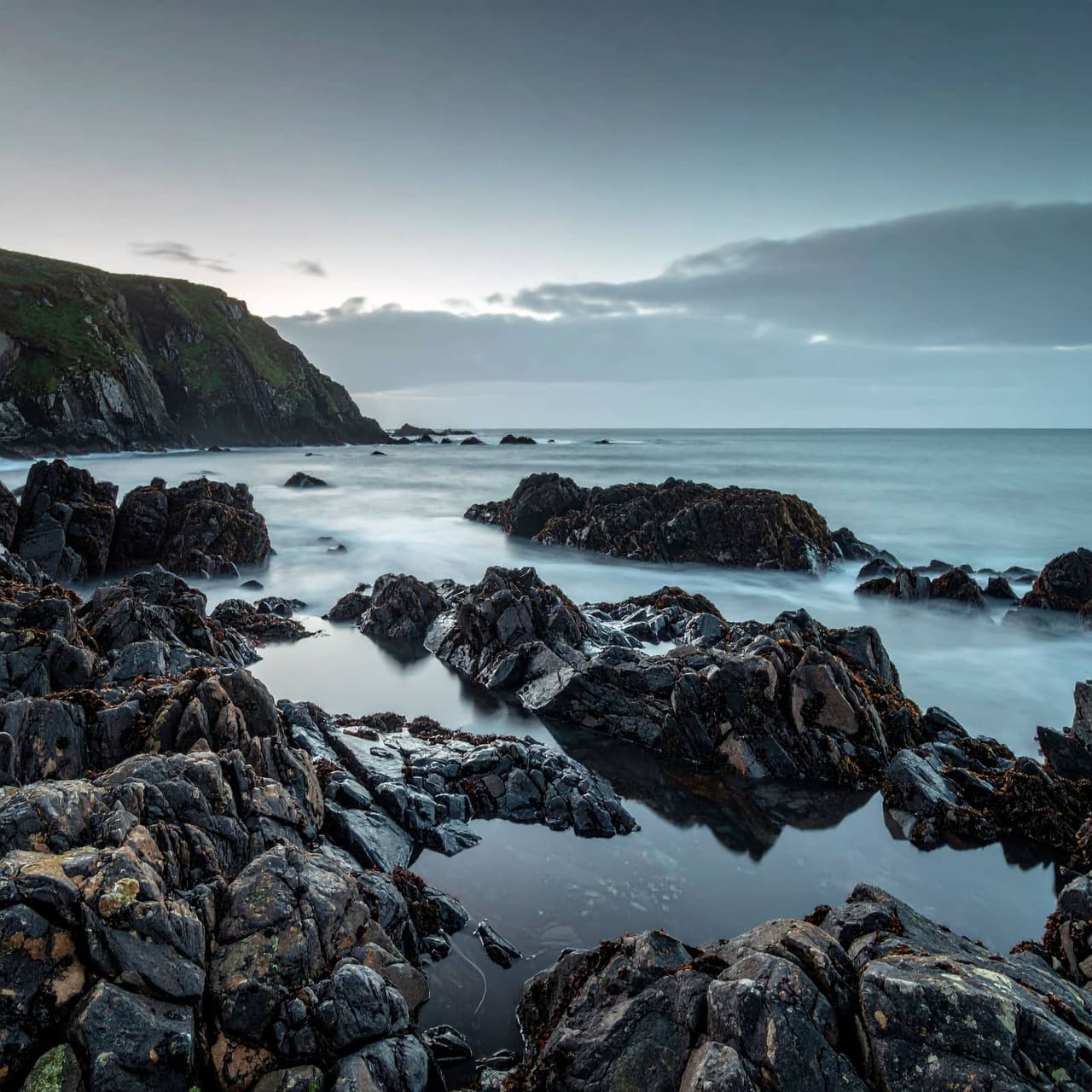
The North Bull Wall is a long exposed stone walk from Dollymount and Clontarf into Dublin Bay, giving shore anglers access to wall edges, flats, channel influence and lighthouse-end water. Published notes cover flounder, dab, dogfish, whiting, codling, pollack, mullet and occasional bass. It is a serious public wall session, not a gentle beginner pier in rough weather.
Medium confidence: access and flats pattern are well reported; bass and mullet results vary. Research ranking is separate from Wicklow plan rankings.
Optional detail
Next 48 hours.
Hourly research ranking with the Dublin Port tide curve. Expand only if you want the matrix.View 48-hour detail →
Optional detail
Next 48 hours.
| Fri 1407:00 | Fri 1408:00 | Fri 1409:00 | Fri 1410:00 | Fri 1411:00 | Fri 1412:00 | Fri 1413:00 | Fri 1414:00 | Fri 1415:00 | Fri 1416:00 | Fri 1417:00 | Fri 1418:00 | Fri 1419:00 | Fri 1420:00 | Fri 1421:00 | Fri 1422:00 | Fri 1423:00 | Sat 1500:00 | Sat 1501:00 | Sat 1502:00 | Sat 1503:00 | Sat 1504:00 | Sat 1505:00 | Sat 1506:00 | Sat 1507:00 | Sat 1508:00 | Sat 1509:00 | Sat 1510:00 | Sat 1511:00 | Sat 1512:00 | Sat 1513:00 | Sat 1514:00 | Sat 1515:00 | Sat 1516:00 | Sat 1517:00 | Sat 1518:00 | Sat 1519:00 | Sat 1520:00 | Sat 1521:00 | Sat 1522:00 | Sat 1523:00 | Sun 1600:00 | Sun 1601:00 | Sun 1602:00 | Sun 1603:00 | Sun 1604:00 | Sun 1605:00 | Sun 1606:00 |
|---|---|---|---|---|---|---|---|---|---|---|---|---|---|---|---|---|---|---|---|---|---|---|---|---|---|---|---|---|---|---|---|---|---|---|---|---|---|---|---|---|---|---|---|---|---|---|---|
| 71P | 85P | 86P | 85P | 85P | 85P | 84P | 78P | 73P | 66P | 69P | 60P | 78P | 84P | 84P | 88P | 83P | 87P | 87P | 86P | 81P | 78P | 77P | 77P | 76P | 76P | 81P | 85P | 85P | 84P | 85P | 84P | 85P | 60P | 57P | 59P | 61P | 63P | 79P | 85P | 85P | 86P | 83P | 85P | 84P | 72P | 72P | 72P |
Scroll for all 48 hours
Mark details
Access, species and tactics.
- Type
- Pier
- Ground
- Pier
- Skill
- Intermediate
- Confidence
- medium
Access
Approach from the Clontarf and Dollymount end and walk the public wall, allowing time for the return if wind, spray or tired legs build. Bus routes along the Clontarf road get you close, but the wall itself is still a walk with exposed gear. Choose positions that leave room for walkers and cyclists, and keep away from any marked shipping, maintenance or restricted areas.
Tide
Use Dublin Port as the reference. Wall fishing often improves into the flood and around high as flats cover and current works along the stone. The ebb can be strong and awkward near channel-influenced water. Turn back early if wind or spray builds; a tide window is useless if the walk home becomes unsafe.
Safety
Exposed stone, trip edges, spray and long walking distance are the safety story. Shipping channel rules apply, and lines should never interfere with vessel movement. Wet blocks become slippery quickly. This is not a beginner family pier in rough weather, and a headtorch is essential if the return might overlap dusk.
Tactics
Short to medium ledger casts on the flood and around high water cover flounder and dab where flats meet the wall. Whiting, dogfish and codling are autumn and winter darkness targets with worm and fish baits. Pollack and coalfish can sit close to the stone, so try float gear or small lures before casting over them. Bass and mullet are opportunistic here; fish for the wall and channel pattern rather than building a session around them alone.
Ground
The mark is made of long stone structure, wall shadow, sand flats, channel pull and rougher edges toward the lighthouse end. Fish hold at the wall base, around current seams beside the stone, and where the tide pushes food from the flats. Many useful casts are short because the wall itself creates habitat. Longer casts are relevant when seeking cleaner bottom for whiting and dogfish or when the near edge is too busy with weed.
Session pattern
A normal North Bull Wall session is planned around effort: walk out with only the tackle needed, fish the flood or high-water window, then leave before spray or darkness makes the return awkward. Dublin Port times are the correct planning reference because the wall sits in the bay and channel system. Common mistakes are treating it like a sheltered family pier, setting up where walkers must step over rods, and ignoring ferry-channel scale at the wall end.
Species context
Flounder: Estuaries, sandy beaches, muddy creeks and shallow inshore ground, especially around river mouths and drainage outflows. Season coast-wide: Year round.
Dab: Clean sandy ground close inshore, often mixed with flounder on Wicklow surf and shingle beaches. Season coast-wide: Year round.
Dogfish: Clean sandy ground from shallow surf to deeper water, often around sandbars and gutters where food collects. Season coast-wide: Year round.
Bass: Surf beaches, rocky headlands, harbour walls, estuaries and sandy gutters, most reliably in coloured, wind-driven surf and around tidal rips or white water. Season coast-wide: April to November.
Grey mullet: Harbours, marinas, estuaries and tidal rivers with rich, slow-moving water and ample algae or detritus to graze. Season coast-wide: May to October.
Pollack: Rocky kelp ground, harbour walls and pier pilings where current runs past structure, often tight to the wall or reef edges. Season coast-wide: Year round.
Whiting: Open sandy and shingle beaches and harbour channels in winter, following whitebait and sandeel shoals inshore. Season coast-wide: October to April.
Cod: Deep harbour channels, pier-wall snags and the Greystones to Wicklow shingle belt in winter, anywhere young cod gather around tidal flow and coloured water after a blow. Codling is the usual Wicklow shore size class, not a separate target species here. Season coast-wide: October to December.
These Dublin marks are researched from long-published pier and shore reports. Research ranking uses Bay weather and Port tide and stays provisional until field-verified. Treat access and safety notes as starting points, then confirm conditions on the day.
DUBLIN BAY
Get the Dublin session call.
More Bay and north-county marks on the Dublin hub. North Bull Wall research ranking is Excellent — provisional until walked.