Dublin · high confidence · research ranking
Sandymount Strand.
Research ranking from Dublin Port (North Wall, via Wicklow +18 min) and Bay weather — provisional until field-verified. Live conditions stay on Tide & weather / Dublin today.
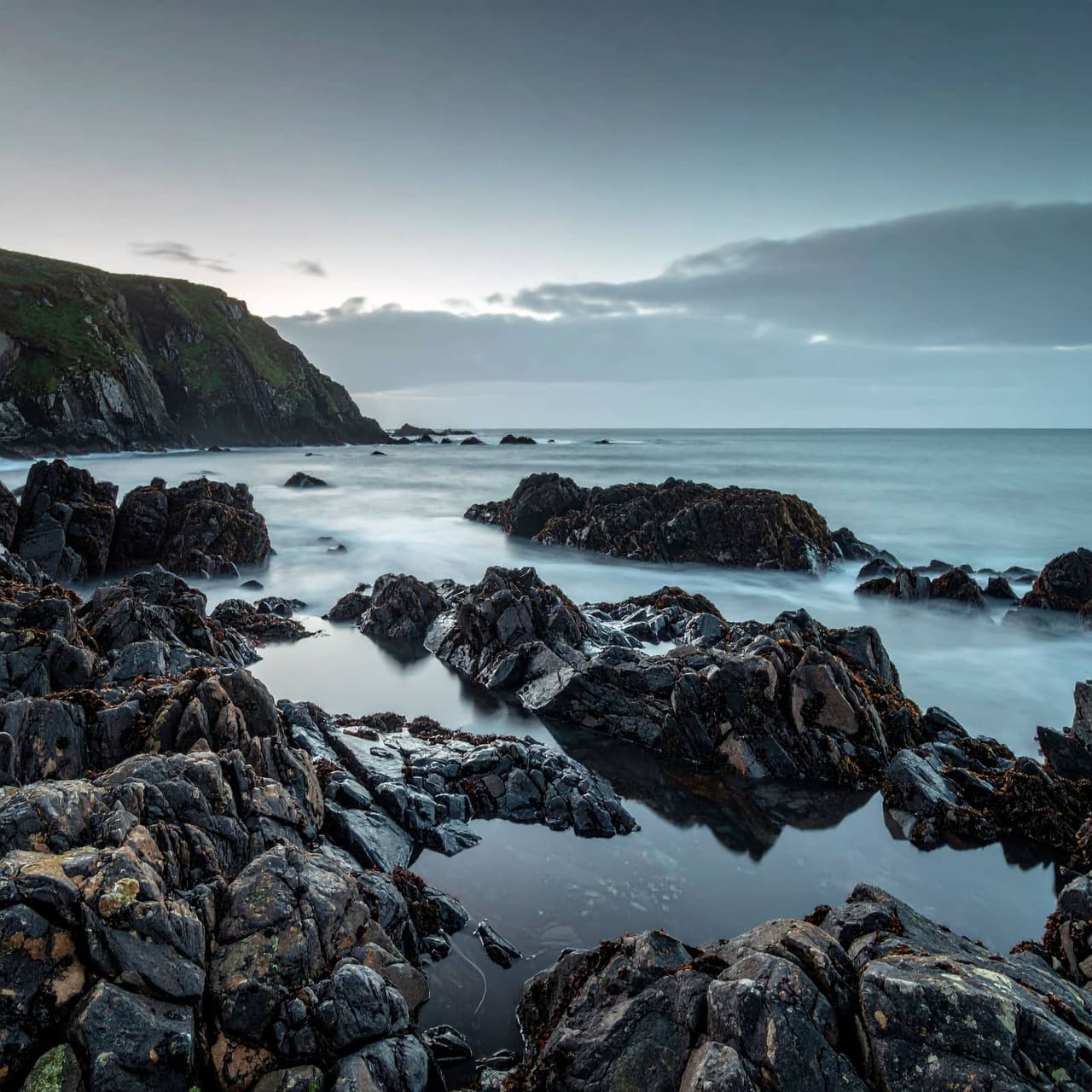
Sandymount Strand is the broad south-bay sand sheet: shallow, open, often wind-exposed and better understood as a flood-tide flats mark than a deep-water beach. Published Dublin reports focus on bass, flounder, dab, dogfish and codling, with bait beds and old place names such as Cockle Lake giving context. The value is honest pattern reading, not invented hot pegs.
High confidence beach pattern for south Dublin Bay. Booterstown and Merrion share the same sand sheet; not every groyne is listed separately.
Optional detail
Next 48 hours.
Hourly research ranking with the Dublin Port tide curve. Expand only if you want the matrix.View 48-hour detail →
Optional detail
Next 48 hours.
| Fri 1415:00 | Fri 1416:00 | Fri 1417:00 | Fri 1418:00 | Fri 1419:00 | Fri 1420:00 | Fri 1421:00 | Fri 1422:00 | Fri 1423:00 | Sat 1500:00 | Sat 1501:00 | Sat 1502:00 | Sat 1503:00 | Sat 1504:00 | Sat 1505:00 | Sat 1506:00 | Sat 1507:00 | Sat 1508:00 | Sat 1509:00 | Sat 1510:00 | Sat 1511:00 | Sat 1512:00 | Sat 1513:00 | Sat 1514:00 | Sat 1515:00 | Sat 1516:00 | Sat 1517:00 | Sat 1518:00 | Sat 1519:00 | Sat 1520:00 | Sat 1521:00 | Sat 1522:00 | Sat 1523:00 | Sun 1600:00 | Sun 1601:00 | Sun 1602:00 | Sun 1603:00 | Sun 1604:00 | Sun 1605:00 | Sun 1606:00 | Sun 1607:00 | Sun 1608:00 | Sun 1609:00 | Sun 1610:00 | Sun 1611:00 | Sun 1612:00 | Sun 1613:00 | Sun 1614:00 |
|---|---|---|---|---|---|---|---|---|---|---|---|---|---|---|---|---|---|---|---|---|---|---|---|---|---|---|---|---|---|---|---|---|---|---|---|---|---|---|---|---|---|---|---|---|---|---|---|
| 37P | 36P | 31P | 37P | 37P | 69P | 78P | 75P | 75P | 75P | 74P | 75P | 45P | 42P | 42P | 45P | 42P | 43P | 71P | 75P | 77P | 78P | 78P | 74P | 66P | 32P | 35P | 36P | 36P | 38P | 68P | 74P | 76P | 77P | 78P | 75P | 78P | 46P | 46P | 45P | 46P | 46P | 45P | 76P | 72P | 68P | 67P | 69P |
Scroll for all 48 hours
Mark details
Access, species and tactics.
- Type
- Beach
- Ground
- Sand
- Skill
- Beginner to intermediate
- Confidence
- high
Access
Use promenade access, legal parking, or the DART to Sandymount or Sydney Parade followed by a short walk. Older guides name areas such as Cockle Lake and ground toward Blackrock Baths, but this guide treats those as public-pattern references, not private claims or guaranteed pegs. The strand is popular with walkers and dogs, so fish with tidy rod placement and avoid setting baits across obvious walking lines.
Tide
Use Dublin Port times. Dublin Bay open sand usually fishes half flood to high, clearly different from the Wicklow shingle falling-tide pattern. Low water is valuable for reading the ground and bait beds, but the angling window improves as water returns over the flats and gives bass or flounder confidence to move.
Safety
Fast flood across flat sand can cut walkers and anglers off from the promenade. Fog, darkness, soft patches and distance from hard ground are more serious than they look on a calm afternoon. Shipping sits out in the bay, so keep wading conservative and do not chase deep channels without local knowledge.
Tactics
Fish half flood to high with lug, rag, crab or small fish baits on simple surf rigs. Short to medium casts are often enough as the tide covers food beds; distance only becomes important in flat calm or when birds and walkers keep you away from the first edge. Bass and flounder are the main honest targets, with dab and dogfish as commoner ledger possibilities. Winter colour opens a codling chance, but do not sell it as a cod beach.
Ground
The ground is shallow sand, cockle and shell patches, low channels, lug beds and soft flats. Fish hold where the flood first gives them enough water to cross food ground and along any gutter that concentrates movement. Because the beach is so shallow, small changes in wind, colour and light matter. Casting over the fish is easy here: the first useful water may be closer than the horizon suggests.
Session pattern
A typical Sandymount session starts with a tide walk, not a random setup. Arrive before half flood, identify where water is pushing fastest across the flats, then move as the beach fills. Dublin Port times are the reference and the open-sand window is usually half flood to high. Common mistakes are underestimating the speed of the flood, fishing heavy fixed rigs that bury in soft sand, and ignoring fog, darkness or walkers on the return.
Species context
Bass: Surf beaches, rocky headlands, harbour walls, estuaries and sandy gutters, most reliably in coloured, wind-driven surf and around tidal rips or white water. Season coast-wide: April to November.
Flounder: Estuaries, sandy beaches, muddy creeks and shallow inshore ground, especially around river mouths and drainage outflows. Season coast-wide: Year round.
Dab: Clean sandy ground close inshore, often mixed with flounder on Wicklow surf and shingle beaches. Season coast-wide: Year round.
Dogfish: Clean sandy ground from shallow surf to deeper water, often around sandbars and gutters where food collects. Season coast-wide: Year round.
Cod: Deep harbour channels, pier-wall snags and the Greystones to Wicklow shingle belt in winter, anywhere young cod gather around tidal flow and coloured water after a blow. Codling is the usual Wicklow shore size class, not a separate target species here. Season coast-wide: October to December.
These Dublin marks are researched from long-published pier and shore reports. Research ranking uses Bay weather and Port tide and stays provisional until field-verified. Treat access and safety notes as starting points, then confirm conditions on the day.
DUBLIN BAY
Get the Dublin session call.
More Bay and north-county marks on the Dublin hub. Sandymount Strand research ranking is Poor — provisional until walked.