Dublin · medium confidence · research ranking
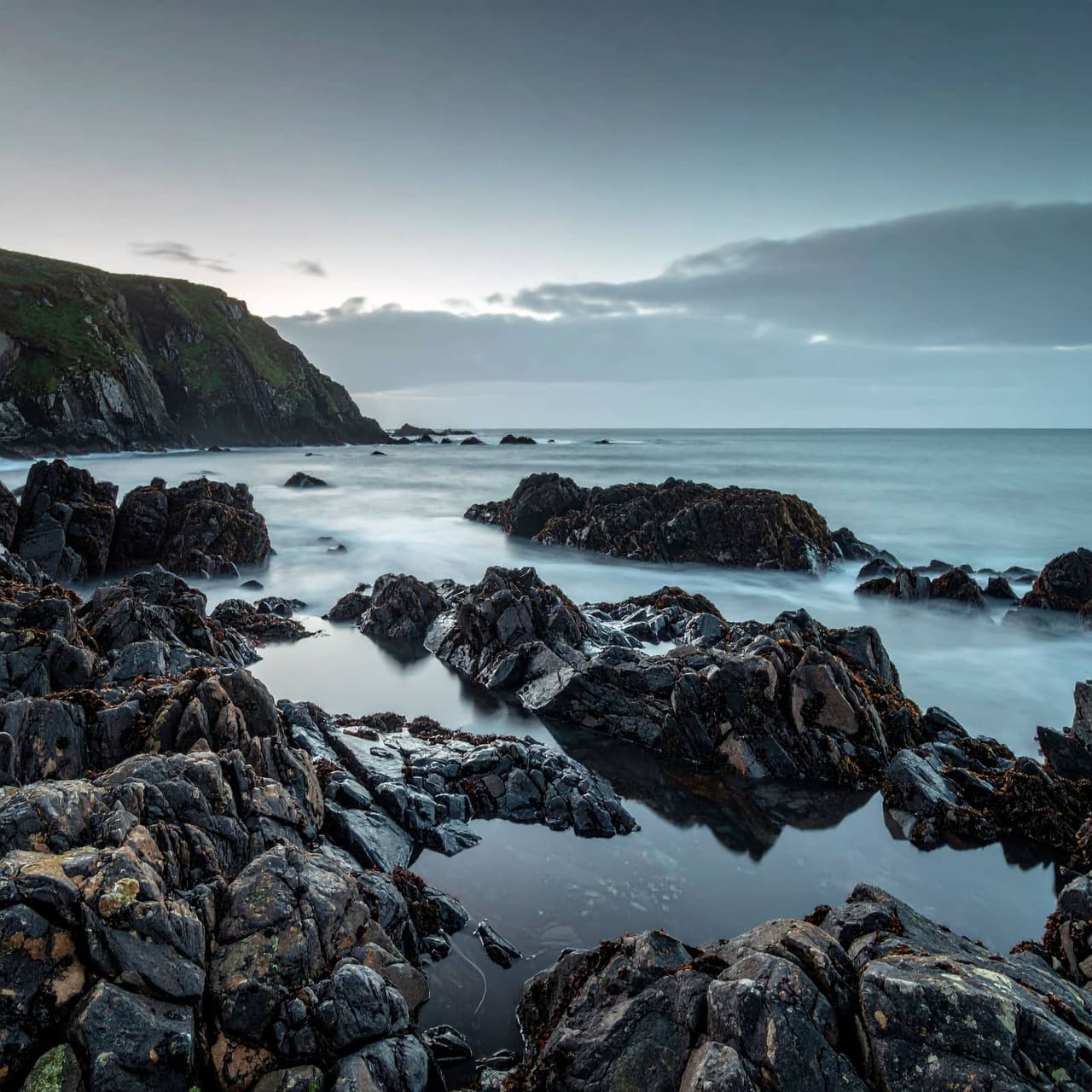
Red Rock, Sutton.
Research ranking from Dublin Port (North Wall, via Wicklow +18 min) and Bay weather — provisional until field-verified. Live conditions stay on Tide & weather / Dublin today.
Red Rock at Sutton is a channel-edge and mixed-ground mark rather than a simple beach. The public pattern is bass and flatfish moving over Sutton channel and the Martello-side ground, with dab, dogfish, codling and whiting possible when conditions suit. It is useful planning water for Dublin Bay planning, researched from published notes rather than first-hand Wicklow experience.
Medium confidence from Eastern Regional and Angling Ireland pattern notes. Bass results vary. Research ranking stays on the Dublin region — never mixed into Wicklow plan top marks.
Optional detail
Next 48 hours.
Hourly research ranking with the Dublin Port tide curve. Expand only if you want the matrix.View 48-hour detail →
Optional detail
Next 48 hours.
| Fri 1409:00 | Fri 1410:00 | Fri 1411:00 | Fri 1412:00 | Fri 1413:00 | Fri 1414:00 | Fri 1415:00 | Fri 1416:00 | Fri 1417:00 | Fri 1418:00 | Fri 1419:00 | Fri 1420:00 | Fri 1421:00 | Fri 1422:00 | Fri 1423:00 | Sat 1500:00 | Sat 1501:00 | Sat 1502:00 | Sat 1503:00 | Sat 1504:00 | Sat 1505:00 | Sat 1506:00 | Sat 1507:00 | Sat 1508:00 | Sat 1509:00 | Sat 1510:00 | Sat 1511:00 | Sat 1512:00 | Sat 1513:00 | Sat 1514:00 | Sat 1515:00 | Sat 1516:00 | Sat 1517:00 | Sat 1518:00 | Sat 1519:00 | Sat 1520:00 | Sat 1521:00 | Sat 1522:00 | Sat 1523:00 | Sun 1600:00 | Sun 1601:00 | Sun 1602:00 | Sun 1603:00 | Sun 1604:00 | Sun 1605:00 | Sun 1606:00 | Sun 1607:00 | Sun 1608:00 |
|---|---|---|---|---|---|---|---|---|---|---|---|---|---|---|---|---|---|---|---|---|---|---|---|---|---|---|---|---|---|---|---|---|---|---|---|---|---|---|---|---|---|---|---|---|---|---|---|
| 84P | 81P | 82P | 81P | 73P | 73P | 68P | 40P | 41P | 40P | 38P | 70P | 83P | 81P | 82P | 80P | 81P | 84P | 80P | 53P | 53P | 51P | 50P | 50P | 76P | 79P | 82P | 82P | 81P | 75P | 69P | 36P | 35P | 32P | 37P | 36P | 66P | 79P | 80P | 82P | 80P | 79P | 79P | 47P | 45P | 47P | 45P | 44P |
Scroll for all 48 hours
Mark details
Access, species and tactics.
- Type
- Rock
- Ground
- Mixed
- Skill
- Intermediate
- Confidence
- medium
Access
Use the Strand Road and Red Rock area in Sutton, keeping to public paths and obvious foreshore access. Bus links along the Howth road make short sessions possible without a car. The cliff-walk approaches are for marked paths only, not invented shortcuts. A dinghy club and launch activity sit nearby, so leave slips, turning space and boat traffic completely clear.
Tide
Dublin Port is the reference. Channel and flats fish best on the flood, especially where the tide covers low-water food beds. Do not get cut off on rising water around rocks east of the Martello, and do not assume a falling-tide Wicklow shingle pattern transfers cleanly to this Dublin channel ground.
Safety
Soft ground, fast-rising water and launch traffic are the main concerns. Respect club slips, private frontages, marked paths and any temporary restrictions. The channel can look harmless at low water and then remove your walking route. Keep the session compact, carry a light, and avoid wading into channels without local knowledge.
Tactics
Bottom fishing is the main pattern: worm, crab and mussel baits on running ledgers or clipped rigs into the channel edge for bass and flatfish on the flood. Keep one rod at sensible range before chasing distance because fish use the near edge as water covers it. Low water is often more useful for reading the ground and bait gathering than for fishing hard. Night or coloured water improves confidence; gin-clear midday flats are low percentage.
Ground
The ground is mixed rock, sand, mussel, channel lip and softer patches around the Sutton side of Dublin Bay. Fish hold where the flooding tide covers food beds and along the channel crease rather than across uniform flat sand. Casting distance is mark-dependent: a medium cast into the channel edge is more useful than blasting beyond it, and short casts can work as the water first pushes over rougher feeding ground.
Session pattern
A typical Red Rock session starts with a low-water look, then fishing the flood as depth returns over the channel and mixed beds. Dublin Port tide times are the clock, but local exposure and wind direction decide comfort. Gentle surf, colour and evening light help the published bass pattern. Common mistakes are staying too far out as the tide rises, blocking club access, and reading bait beds as permission to dig or fish anywhere without regard for reserve, club or private boundaries.
Species context
Bass: Surf beaches, rocky headlands, harbour walls, estuaries and sandy gutters, most reliably in coloured, wind-driven surf and around tidal rips or white water. Season coast-wide: April to November.
Flounder: Estuaries, sandy beaches, muddy creeks and shallow inshore ground, especially around river mouths and drainage outflows. Season coast-wide: Year round.
Dab: Clean sandy ground close inshore, often mixed with flounder on Wicklow surf and shingle beaches. Season coast-wide: Year round.
Dogfish: Clean sandy ground from shallow surf to deeper water, often around sandbars and gutters where food collects. Season coast-wide: Year round.
Cod: Deep harbour channels, pier-wall snags and the Greystones to Wicklow shingle belt in winter, anywhere young cod gather around tidal flow and coloured water after a blow. Codling is the usual Wicklow shore size class, not a separate target species here. Season coast-wide: October to December.
Whiting: Open sandy and shingle beaches and harbour channels in winter, following whitebait and sandeel shoals inshore. Season coast-wide: October to April.
These Dublin marks are researched from long-published pier and shore reports. Research ranking uses Bay weather and Port tide and stays provisional until field-verified. Treat access and safety notes as starting points, then confirm conditions on the day.
DUBLIN BAY
Get the Dublin session call.
More Bay and north-county marks on the Dublin hub. Red Rock, Sutton research ranking is Excellent — provisional until walked.