
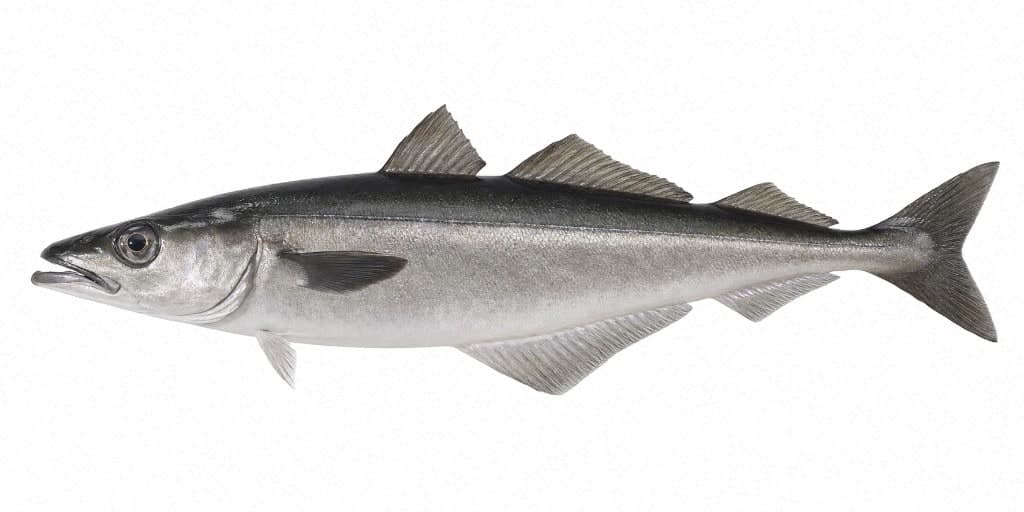
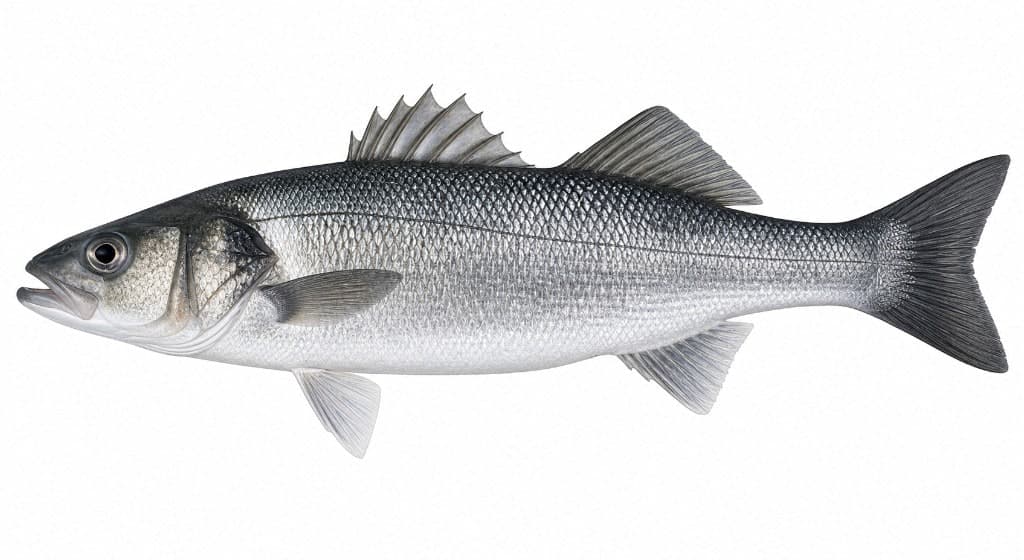
Pollack are available from Wicklow marks year round, but the best shore sport runs from May through September when baitfish hold close to pier walls and rock ledges. They fight hard for their size and often dive for kelp on the first run, which makes them one of the most exciting species to target on light lure gear. Wicklow Head Long Rock and Wicklow Town Pier are reliable starting points on this coast.
Bag limits and closures
Live retention status and statutory rules for pollack on the Wicklow shore.
Retention today
Retention allowed
Pollack Fishing Conservation Bye-Law No. 1028 of 2026, verified September 2026
- Bag limit
- 3 per angler per 24 hours, then catch and release
- Pollack Fishing Conservation Bye-Law No. 1028 of 2026, verified September 2026
- Minimum size
- No statutory minimum
- 30 cm is a good-practice size, not law
- Regulation (EU) 2019/1241 (SFPA MCRS list, Irish EEZ), verified September 2026
Sources: Pollack Fishing Conservation Bye-Law No. 1028 of 2026, Regulation (EU) 2019/1241 (SFPA MCRS list, Irish EEZ)
Verified September 2026Since 1 June 2026 you may keep three pollack per 24 hours, and every pollack after that must go back. The rule comes from the Pollack Fishing Conservation Bye-Law (No. 1028 of 2026), which gives effect in Irish law to Council Regulation (EU) 2026/249. The full guide to the 2026 pollack rules covers how it came about and how it works in practice, and the Wicklow rock-mark version covers staying legal on this coast.
When and where on the Wicklow coast
Pollack can be caught in every month, but numbers and aggression peak from May to September when water warms and sandeel and small fish shoals move inshore. Early morning and evening sessions on a rising tide usually outfish bright midday periods, when fish sit deeper under the kelp.
Wicklow Head Long Rock
Deep water close to the rock platform and strong tidal movement make this one of the top pollack marks in the county. Lures worked parallel to the kelp edge on a flooding tide produce fish through summer. Access and footing demand care; fish with a partner and check conditions.
Jack's Hole
Rocky ground and kelp-fringed ledges hold pollack from spring through autumn. Metal lures and soft plastics retrieved along the fringe are the standard approach. Low tide exposes gullies that concentrate fish; the ground is uneven and can be slippery.
Wicklow Town Harbour
Pollack hold along the seaward side at high water where baitfish run on the tide. Cast uptide and retrieve across the current with metals or shads.
Rigs and tackle for shore pollack
Lure fishing is the most productive method from Wicklow piers and rocks. Float fishing with live sandeel or strip is a strong alternative when fish are finicky in clear, calm water.
Lure fishing
Cast 10 to 15g metal lures (Toby style, chrome or silver) or soft plastic shads on 10 to 15g jig heads. Retrieve steadily through the upper water column and kelp fringe. Vary speed until you find what triggers fish that day.
Float fishing
Live sandeel or a strip of sandeel under a sliding float, set so the bait swims above the kelp, catches pollack when they are hunting rather than chasing metals. Useful at Wicklow Town Harbour in calm conditions.
Rod
9 to 10ft spinning rod rated roughly 10 to 40g
Reel
2500 to 3000 fixed spool loaded with 15 to 20lb braid
Leader
15 to 20lb fluorocarbon, 3 to 4 feet between braid and lure or hook
Trace
No wire trace for lures; fluorocarbon leader is enough for pollack teeth and kelp abrasion
Best baits and lures
Metal lures
Toby-style spinners in chrome or silver, 10 to 15g, cast uptide from piers and retrieved across the tide. Dexter wedges and similar slim metals work well when pollack are feeding on baitfish in mid water.
Soft plastic shads
Paddle tails and sandeel imitations on 10 to 15g jig heads, worked slowly along kelp edges and pier walls. Natural and silver colours are reliable on the Wicklow coast.
Live sandeel
The most effective natural bait when float fished shallow over kelp or along harbour walls. Hook through the upper jaw or shoulder and let the eel swim on a short trace under a float.
Mackerel strip
A strip of fresh mackerel under a float catches pollack when live sandeel is unavailable. Keep baits lively in the upper water column rather than fishing on the bottom.
Playing pollack from shore
Pollack dive hard on the first run and will try to bury in kelp if you give them slack. Keep the rod tip up, maintain steady pressure, and avoid pumping the fish hard when you are close to rocks or barnacle-covered wall.
They tire relatively quickly once clear of the snags. If you plan to release fish, unhook in the water or over a wet rock and support the fish briefly before letting it go. Pollack recover well when handled carefully.
On the table, pollack are best eaten fresh. Since 1 June 2026, the 2026 pollack bye-law limits recreational anglers to three pollack per 24 hours, then catch and release. The flesh is milky white and mild, excellent pan fried or baked the same day. Frozen fillets lose quality faster than many white fish, so treat them as a same-day catch when possible.
Pollack vs coalfish: how to tell them apart
Pollack and coalfish look similar at a glance but are easy to separate once you know what to check. Getting the ID right matters on mixed pier sessions and when recording catches.
Pollack
Curved lateral line, lower jaw protrudes beyond the upper jaw, greenish-brown back fading to silver on the flanks.
Coalfish
Straight lateral line, jaws roughly equal, darker, almost black back. Often slimmer in the body when seen side by side.
Coalfish are less common from Wicklow shore marks than pollack, but both turn up on the same lures at Wicklow Head and Greystones in summer. See our pollack and coalfish guide for more detail on tactics and marks.
Recommended gear
Pollack fishing essentials
Spinning rod, reel and lures for pollack from Irish pier and rock marks.
Shakespeare Firebird Spinning Combo 8ft
An 8ft spinning setup rated 15 to 60g, suited to lures for pollack from Wicklow pier edges and rock marks. Enough backbone for control when fish dive for kelp.
See it in KitAbu Garcia Cardinal X Spinning Combo
A 2500 to 3000 class fixed spool reel loaded with 15 to 20lb braid is the standard for shore lure fishing. Pairs well with a 9 to 10ft spinning rod for pier and rock pollack sessions.
See it in KitSidewinder Skerries Pro Sandeels 6" Dusk
Soft plastic shads in proven colours for pollack and coalfish, worked on 10 to 15g jig heads along pier walls and over kelp. Pair with chrome Toby-style metals for a complete shore lure box.
See it in KitPlan your next session