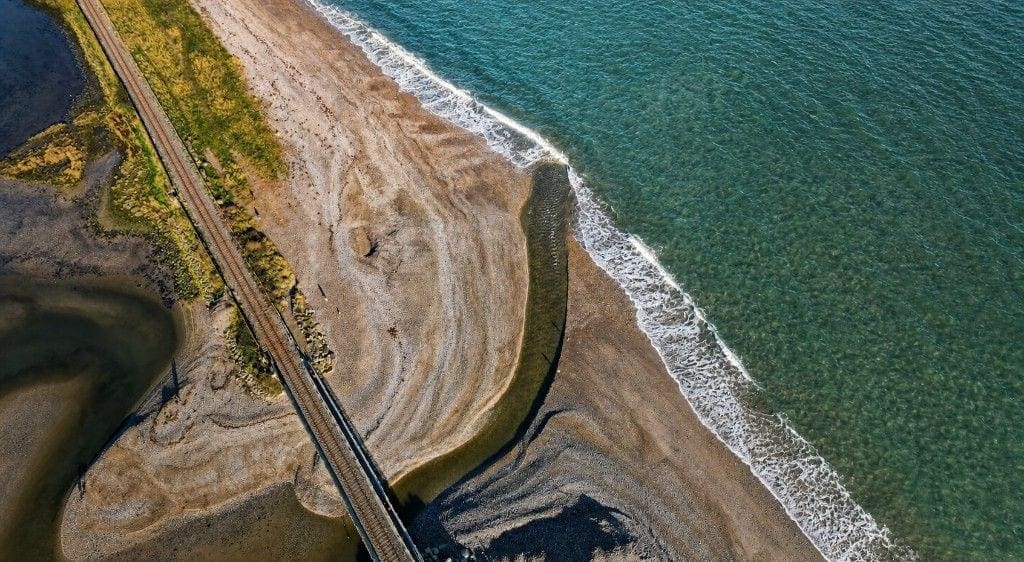
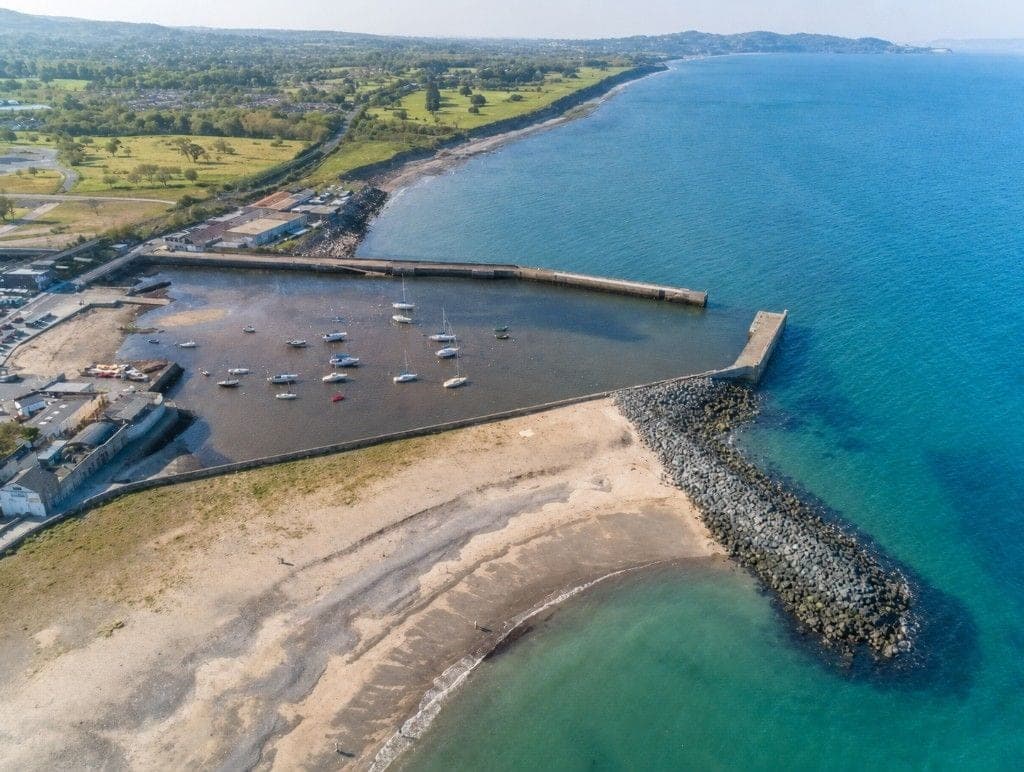
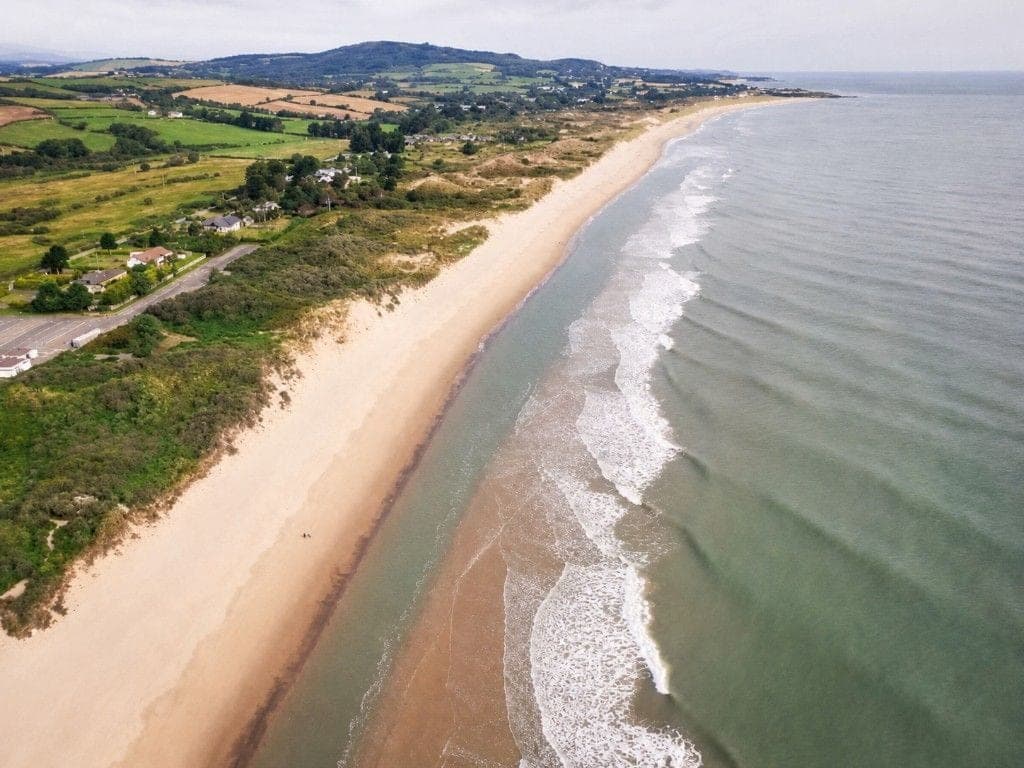
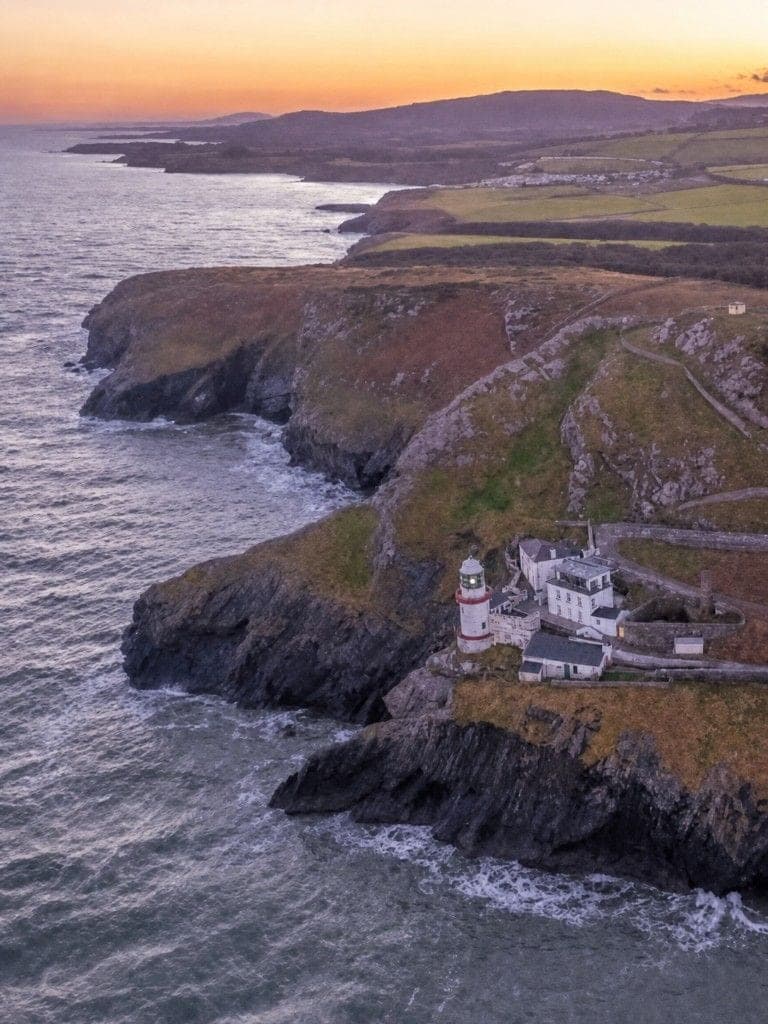
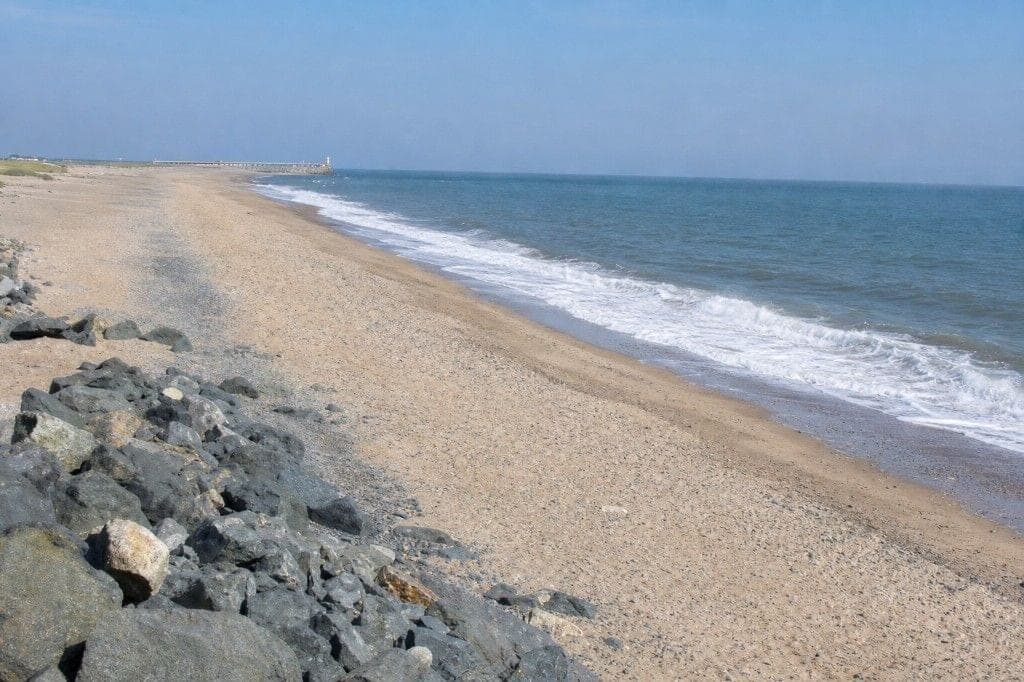
The tide. Mullet move into the pool behind the bridge on the flood and back out on the ebb, both windows fish the channel. Bass at the outlet on the flooding tide at dawn or dusk. Flounder concentrate at the freshwater/saltwater interface throughout the tide.
Methods. Float-fished bread or flake (mullet, specialist technique); Light ledger with worm or crab close in (flounder); Surface lures or sub-surface plugs at the outlet (bass); Single-handed fly (sea trout).
Baits. Bread/flake (mullet); Ragworm; Peeler crab; Small lures (bass/sea trout).
Local knowledge. The Eastern Regional Fisheries Board guide points straight at this mark (Site 23): 'Some of these fish appear to be well over the specimen weight of 5 lbs but to date there has been little attempt to catch them. Time spent fishing for both of these species may be well rewarded'. Two tactical points: (1) the pool BEHIND the rail line is sheltered from open-sea conditions and fishes on days the open beach is unfishable; (2) flounder concentrate at the freshwater/saltwater interface at all tides, not just slack, this is reliable winter fishing. Sea trout pass through in season; bass work the outlet at dawn/dusk on lures. Modern reports of the specimen mullet fishery are sparse, so the ground is genuinely unworked. Do not confuse this Kilcoole Breaches with Broad Lough / Murrough (Site 28 Broadlough) 12 km south, a separate flounder-focused wetland shore. SAC/SPA wetland status nearby means quiet behaviour matters.
From the mark’s guide, not checked on site.